


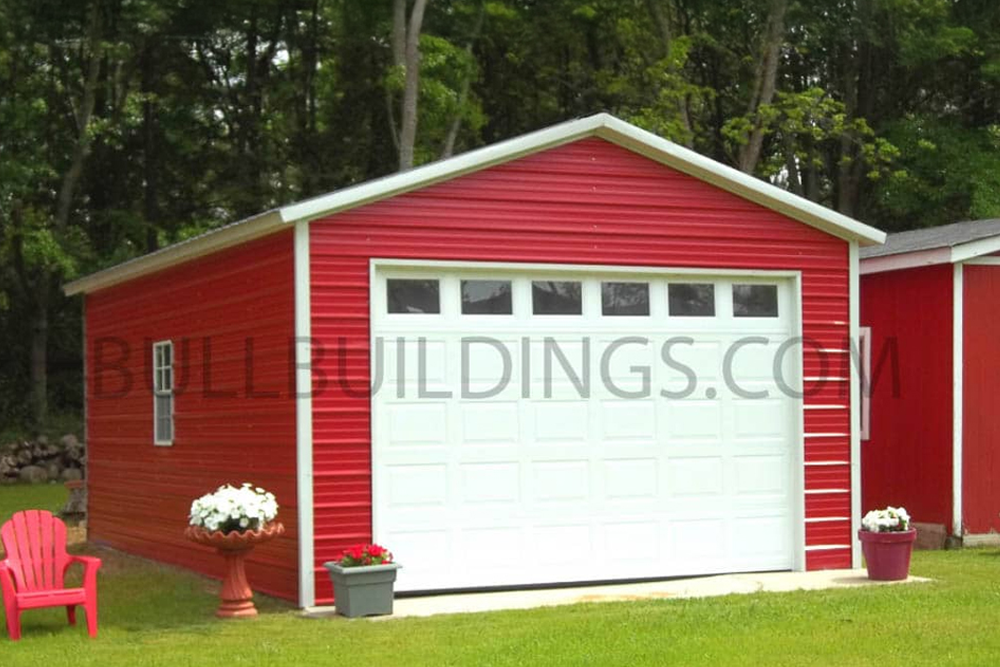
If you’ve ever stepped inside a metal shed during summer or winter, you know how uncomfortable it can get. That’s why learning how to insulate a metal storage shed is more than a project – it’s a smart investment in comfort and protection. Whether you’re turning it into a year-round workspace or storing valuable tools and equipment, insulation helps keep the elements outside and your space more usable.
Yes, you can insulate a metal storage shed. The main options are fiberglass batting, spray foam and rigid foam board. Batting and board suit DIY, spray foam needs a professional, and every option works best with some ventilation to control condensation.
Uninsulated metal sheds trap heat in the summer and lose it quickly in the winter. That constant temperature swing isn’t just uncomfortable – it can cause damage to items inside. Tools rust faster, paints and chemicals degrade, and even certain plastics can warp or crack. On the flip side, proper insulation helps regulate temperature, making your shed suitable for a wide range of uses. Insulation also helps reduce condensation, which is one of the biggest threats to anything stored in a metal building. Less moisture means fewer chances for mold, mildew, and corrosion.
Beyond storage protection, insulating your shed can transform it into a space where you actually want to spend time. Whether you’re working on weekend projects, repairing gear, or just grabbing a tool, it’s a relief to walk into a space that isn’t freezing cold or suffocatingly hot. With the right materials and a bit of planning, you can customize your shed into a space that works for you all year long.
Can You Insulate a Metal Shed? Yes – Here’s How It’s Done
People ask, “can you insulate a metal shed?” The answer is absolutely. Metal buildings can be insulated much like any other structure, but the right approach depends on your specific shed and how you plan to use it. There are several common materials and methods available, each with their own pros and cons.
For those trying to keep things budget-friendly, fiberglass batting remains a go-to solution. It’s widely available, relatively easy to install, and does a solid job of blocking heat transfer. However, it comes with some trade-offs. Once installed, the exposed batting creates a soft surface that can be damaged if bumped or scraped. If you plan to use your shed as a workshop, you’ll likely want to cover the batting with a thin wall or panel to protect it – adding cost and complexity.
If you’re looking for a cleaner, more modern finish, spray insulation might be a better choice. This method involves spraying a liquid foam that quickly expands and fills every nook and cranny. It’s ideal for oddly shaped spaces and provides strong insulation and soundproofing. The biggest advantage? You get full coverage that seals out drafts and moisture. While it usually requires a professional to apply, it can be done quickly and offers a high-performance result that lasts.
Another common option is rigid foam board. These panels are cut to fit between the framing of your shed and can be installed with or without adhesive, depending on your setup. Foam board offers reliable thermal insulation and can be installed by a DIY enthusiast with a little patience and planning. Thicker boards will provide greater insulation, but they’ll also take up more interior space. If you’re planning to use your shed for storage, that trade-off might be worth it.
Shed Insulation Options Compared
| Material | R-value per inch | DIY or pro | Condensation and moisture | Trade-offs |
|---|---|---|---|---|
| Fiberglass batting | 2.5 to 4 | DIY | Depends on the facing | Budget-friendly and widely available, but exposed batting can be damaged and may need a cover panel |
| Spray foam | About 6 (high-density polyurethane) | Professional | Typically Class II vapor retarder. Seals drafts and moisture | Needs special equipment and experience. Full coverage in odd spaces |
| Rigid foam board | EPS 3.8 to 4.4, XPS about 5, polyiso about 6 | DIY with patience | Class varies by board and facing | Cut to fit between framing. Thicker boards take up more interior space |
Source: U.S. Department of Energy, Building America Solution Center (Pacific Northwest National Laboratory), “Typical R-values and Vapor Retarder Classifications for Common Insulation Materials,” last updated December 23, 2021 (link). DIY and trade-off columns summarize this article. Checked October 2026.
Want to see how these materials compare for larger buildings? Read top 3 insulation options for your metal building and how to insulate an existing metal building. For pricing, see what it really costs to insulate a metal building.
Think About Function, Not Just Cost
When deciding on insulation, don’t just go for the cheapest material on the shelf. Consider how you’ll actually be using the space. If you’re just storing outdoor gear, a basic insulation layer might be fine. But if you’re building a workshop or need consistent temperatures for tools, paints, or electronics, you’ll want a more robust solution.
It’s also worth considering where your shed is located. A shed in a cold, damp climate will need different insulation than one in a dry, sunny place. Think about what you’re protecting and how extreme the conditions get during the year. This will guide your decision on how much insulation you need and which material best suits your shed’s purpose.
Sound control is another underrated benefit of insulation. If you plan on running loud tools or machinery, the right insulation can help muffle noise. That’s especially helpful if your shed is close to your house or your neighbors’. Insulation acts as a buffer, dampening the sound and keeping the peace. In some cases, it can even enhance acoustics if you’re using the space for music or video recording.
Protecting Your Shed from Condensation and Corrosion
One key benefit of insulating your metal shed is that it helps protect the structure itself. When warm air meets cold metal, condensation forms. Over time, this moisture causes rust, mold, and damage to anything stored inside. Insulation slows down temperature swings and keeps condensation under control. That makes your shed last longer and saves you from repairs or replacements later on.
Metal is tough – but it’s not immune to weather. If your shed sits through cold winters and hot summers, those extreme changes can wear it down. A properly insulated shed reduces that wear and tear, especially if it’s used to store tools, hunting gear, or outdoor equipment you care about keeping in top shape.
How to Control Condensation and Ventilation
- Insulate to slow temperature swings. Warm air meeting cold metal is what creates condensation.
- Choose a material and facing that handles moisture. Check the vapor retarder class in the table above.
- Seal gaps and air leaks. Fill every gap so warm, moist air cannot reach the cold steel.
- Add a vent or two. A little airflow keeps the air fresh and helps prevent condensation.
- Check the shed after the first season. Look for damp spots, gaps or sagging insulation and fix them early.
Don’t Forget About Ventilation
When people insulate a shed, they often forget the other side of the equation: airflow. A sealed-up shed can trap air and moisture if you’re not careful. Even if your insulation does a great job of controlling temperature, stale air and humidity can still cause problems. That’s why it’s smart to include ventilation in your plan.
Adding a vent or two allows just enough airflow to keep things fresh inside. It also helps prevent condensation and keeps the insulation working well. You’re not just insulating – you’re building a space that works better, smells better, and lasts longer.
Lighting and Interior Brightness Matter Too
Some insulation materials come with reflective surfaces. These surfaces bounce light, which can make the inside of your shed feel brighter. If you’re working in there during the day or trying to see what you’ve stored on a shelf in the back corner, that extra brightness helps a lot.
You might not need to wire up lights right away if your insulation choice does some of the work. Reflective insulation can give you that edge, especially when paired with windows or clear panels. It’s one of those simple upgrades that make a shed more usable right from the start.
Install It Yourself or Call in a Pro?
Many shed owners like to handle projects on their own. Fiberglass batting and foam board can be installed without a contractor if you have basic tools and patience. But some types – like spray foam – require special equipment and experience. It’s important to be honest about your time, skills, and what kind of result you want.
Hiring a professional may cost more upfront, but it ensures the job is done right. A clean, tight installation means better insulation and lower risk of future issues like gaps or air leaks. Whether you DIY or go pro, plan ahead. Retrofitting insulation is possible, but it’s always easier if it’s considered during the shed’s design phase.
Frequently Asked Questions
Can you insulate a metal storage shed?
Yes. Metal sheds can be insulated much like any other structure. Fiberglass batting, spray foam and rigid foam board are the common choices, and the right one depends on your shed and how you use it.
What is the best insulation for a metal shed?
There is no single best material. Batting is budget-friendly, rigid foam board is a good DIY option that takes up some interior space, and spray foam gives the most complete seal but needs a professional. Pick based on use, climate and budget.
Do you need ventilation after insulating a metal shed?
Yes. A sealed-up shed can trap air and moisture, so plan for a vent or two. Airflow helps prevent condensation and keeps the insulation working well.
How do you stop condensation in a metal shed?
Condensation forms when warm air meets cold metal. Insulation slows temperature swings, a suitable vapor retarder and sealed gaps keep moist air off the steel, and ventilation lets humidity out. See the steps above.
How Bull Buildings Can Help You Build Smarter
If you’re serious about comfort, protection, and durability, insulation shouldn’t be an afterthought – it should be part of the plan from the start. That’s exactly how we help at Bull Buildings. We’re not a manufacturer or installer. We’re your broker, your matchmaker, your behind-the-scenes heavy lifter.
We work with 28 top-tier suppliers and use our $40 million in annual purchasing power to secure better prices for our customers. When you tell us how you plan to use your shed, we use that info to find the best match – including options that are compatible with insulation from the start.
Whether you’re storing equipment or building a weekend workshop, Bull Buildings helps you get the right structure at the right price.
We shop many manufacturers for you, so you get clear quotes without calling around.
We Shop For YouDesign Your Own