


A metal garage foundation does more than hold your structure in place. It affects how your building handles weight, weather, moisture, and daily use. A solid base can also make your garage easier to access, clean, and maintain over time.
Metal garages are often customized around storage, vehicles, equipment, workshops, or business needs. That means the right foundation depends on your site, budget, soil, building size, and how you plan to use the space. At Bull Buildings, we help customers compare options from multiple manufacturers so they can move forward with better clarity.
Concrete Slab Foundation
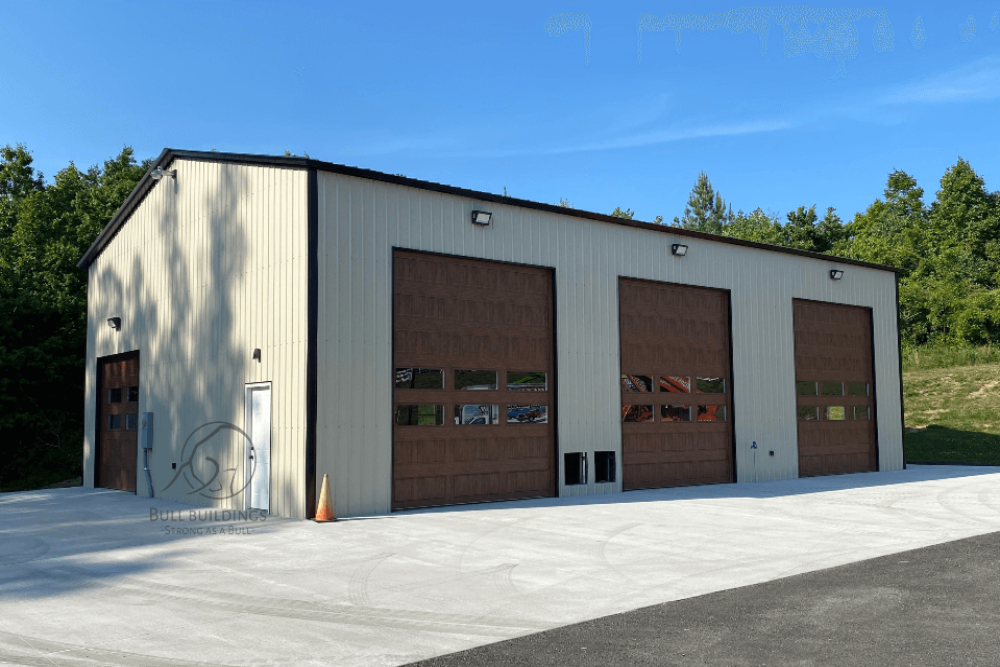
A concrete slab is one of the most common choices for metal garages. It creates a flat, stable surface for parking vehicles, storing tools, and setting up work areas. Many customers choose this option because it offers a clean finish and works well for frequent use.
This foundation type is poured directly on prepared ground. The site usually needs grading, compacting, and proper drainage planning before the concrete is placed. A slab can also be sized to match the garage footprint or extend beyond it for extra apron space.
Concrete slabs work well for enclosed garages because they help block ground moisture better than bare soil. They also make it easier to sweep, wash, and organize the space. For heavier vehicles or equipment, thicker concrete and reinforcement may be needed.
Gravel Foundation
A gravel foundation is a practical choice for customers who want a simpler and more affordable base. It allows water to drain more easily than solid concrete. This can be helpful in areas where standing water is a concern.
Gravel bases are often used for smaller garages, open storage buildings, and utility structures. The ground still needs to be leveled and compacted before gravel is added. Edging or a framed border may also help keep the gravel in place.
This option may cost less upfront, but it may need more upkeep over time. Gravel can shift, settle, or spread with regular traffic. It may also be less convenient if you plan to roll toolboxes, jacks, or carts across the floor.
Asphalt Foundation
An asphalt foundation can work well for metal garages used mainly for vehicle parking. It gives the space a smooth surface and can blend with an existing driveway. Many property owners like this option when they want a consistent look across the entrance and garage area.
Asphalt is usually quicker to install than concrete. It also has some flexibility, which can help in areas with seasonal temperature changes. That said, it may soften in high heat and can wear down under heavy loads.
This foundation may need resealing after years of use. It can also develop cracks or low spots if the base below it is not prepared correctly. For garages with heavy machinery, concrete may be a stronger choice.
Pier Foundation
A pier foundation uses concrete piers or footings placed at specific points under the building frame. This option can be useful on uneven ground or sites where a full slab is not the best fit. It supports the structure without covering the entire floor area.
Piers can help raise the garage slightly above the ground. That added height may support better airflow and reduce direct contact with moisture. Site planning is still important, since each pier must be placed correctly for the building layout.
This type of foundation is often more specialized than gravel or slab options. It may require local code review, engineering input, or careful coordination with the building manufacturer.
Perimeter Foundation
A perimeter foundation supports the outer edges of the garage. It usually uses a continuous concrete footing around the building footprint. This option can work well when the structure needs firm edge support without a full concrete floor.
Some customers pair a perimeter base with gravel or another interior surface. This can reduce concrete use while still giving the building a strong frame support. Proper site prep matters because the edges carry much of the building load.
Floating Slab Foundation
A floating slab is a concrete slab that sits on prepared ground without deep footings. It is often used in areas with stable soil and lighter building demands. This style can be a cost-friendly choice for smaller garages.
The slab moves slightly with the ground as temperatures shift. Good grading and drainage help limit future cracking. Local building rules may affect where this option makes sense.
Concrete Footing Foundation
Concrete footings are placed below key load points. They help spread the weight of the garage into the soil. This type of base is often used when the building needs extra support.
Footings may be paired with piers, stem walls, or other foundation styles. They are useful for larger garages or sites with challenging ground conditions. A contractor can help confirm depth, spacing, and reinforcement needs.
How Bull Buildings Helps With Metal Garage Planning
At Bull Buildings, we help customers make sense of the buying process before they commit. We work as brokers for over 26 metal building manufacturers, so we can compare several options for your project. That gives you more than one path to consider.
Our team discusses your garage size, use, location, customization needs, and budget. Then we help pair you with a manufacturer that fits your goals. This keeps the process clear and helps set better expectations from the start.
We also help customers think through choices that affect the building order. That can include dimensions, doors, colors, roof styles, layout, and site needs. Foundation work is usually handled at the local level, but the building plan should match the base you choose.
At Bull Buildings, our goal is simple. We want you to understand your options, compare pricing, and feel confident about your customized metal building purchase. Our customer service and industry knowledge help make the process easier to follow.
Start Your Metal Garage Project With Better Clarity
A strong foundation starts with the right plan. Your garage size, site conditions, and intended use should guide the choice. A simple storage building may need a different base than a large garage with daily vehicle traffic.
Bull Buildings can help you compare metal building options from multiple manufacturers before you buy. Contact us today to discuss your project and find a custom garage option that fits your needs.