


Learning how to anchor a metal carport starts with understanding why it matters. A metal carport may look solid once assembled, yet it still relies on its connection to the ground for stability. Wind uplift can shift or lift a structure that is not secured correctly. Heavy rain can soften soil and cause slight movement over time.
Strong anchoring helps the frame stay in place during storms and reduces stress on joints and panels. It also keeps the structure aligned, which helps doors, panels, and roofing components fit as intended. A well-anchored carport lasts longer and requires fewer adjustments down the road.
Skipping this step or rushing through it can lead to expensive fixes later. Anchoring does not take long when planned correctly, and it adds a level of confidence every time the weather changes.
Understanding Your Surface Type
Every installation begins with the ground beneath the structure. The anchoring method changes based on whether the carport sits on soil, gravel, asphalt, or concrete. Each surface reacts differently to pressure, moisture, and weight.
Soil and gravel surfaces often need mobile home anchors or auger-style anchors. These dig into the ground and create resistance against lifting forces. Hard surfaces, such as concrete, use wedge anchors or expansion bolts that lock into drilled holes.
Surface condition matters as much as surface type. Loose soil may need compaction before installation. Cracked concrete may need repair before drilling. Taking time to assess the surface helps you choose hardware that works with the environment instead of against it.
Climate also plays a role. Areas with high winds or frequent storms may require additional anchors or deeper placement. Matching the anchoring method to both surface and weather conditions creates a more stable setup.
Tools and Materials You Will Need
Getting organized before starting makes the process smoother. Most anchoring setups rely on a small group of tools that help with measuring, drilling, and securing hardware. A power drill with the correct bits is one of the main tools for concrete installations.
For ground-based setups, a steel rod or installation bar helps drive anchors into place. A hammer or sledgehammer may also be used for certain anchor types. A level and measuring tape help keep the structure aligned as each anchor is installed.
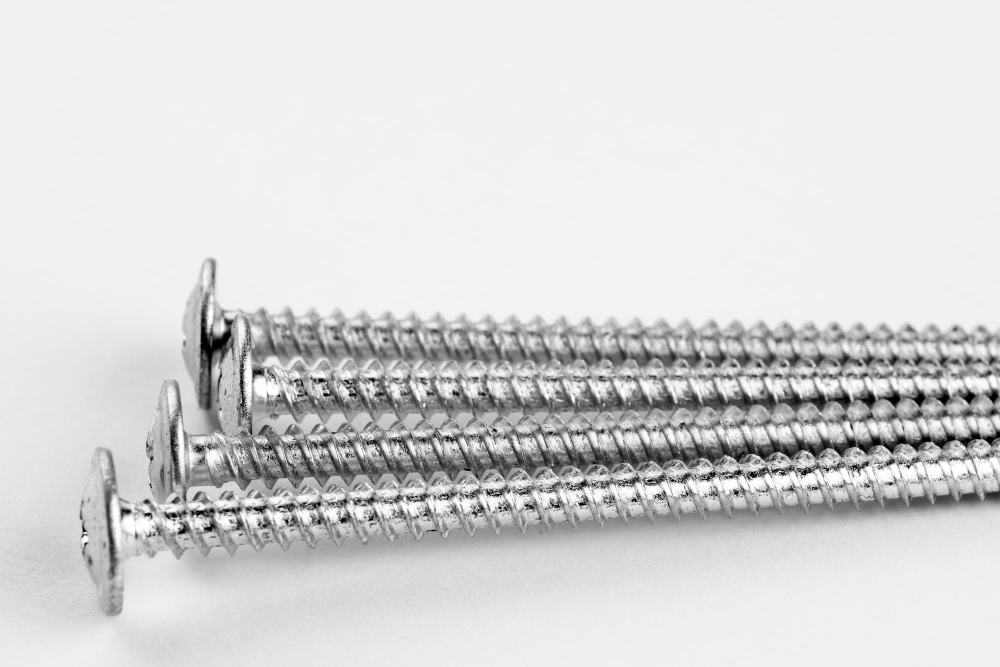
Hardware selection depends on the surface. Auger anchors work well in soil, while rebar anchors may be used for temporary or lighter setups. Concrete anchors come in several forms, including wedge and sleeve styles. Each type has its own load rating, so choosing the right size matters for long-term stability.
Keeping all tools within reach reduces delays. It also helps maintain consistent placement across each corner and side of the frame.
Step-by-Step Anchoring Process
Preparation starts with placing the carport frame exactly where it will remain. Take time to measure spacing and check alignment before securing anything. Small adjustments at this stage save effort later.
Mark each anchor point along the base rails. These points usually sit at corners and along each side for balanced support. Once marked, begin installing anchors based on the surface type.
For soil, twist or drive auger anchors into the ground until they reach a firm depth. Attach the anchor to the frame using brackets or straps, then tighten each connection evenly. This keeps tension balanced across the structure.
For concrete, drill holes at the marked points using a masonry bit. Insert the anchor bolts, then tighten them until they lock into place. Work in a consistent pattern around the frame so pressure stays even.
Check alignment as you move from one point to the next. A quick level check after each anchor helps keep the structure straight. Small corrections early prevent larger shifts later in the process.
Common Mistakes to Avoid
Poor anchor placement can weaken the full carport frame. Anchors should sit where they can pull evenly against the base rails. Gaps, crooked hardware, or loose connections may cause movement during strong winds. It also helps to avoid mixing anchor types without a clear reason.
Another common issue is choosing hardware before knowing the surface. A concrete pad needs a different setup than compact soil or gravel. Local wind conditions also matter, so the project should be planned with the site in mind.
How Bull Buildings Can Help
At Bull Buildings, we help you sort through the details before you buy. We work with over 26 metal building manufacturers, so we can compare several options based on your size, site, budget, and customization needs.
Our team brings product knowledge and industry experience to each conversation. We help make the process clear, from the first quote to the final purchase expectations.
Ready to plan your metal carport with more confidence? Contact us today to compare your options and get started.