


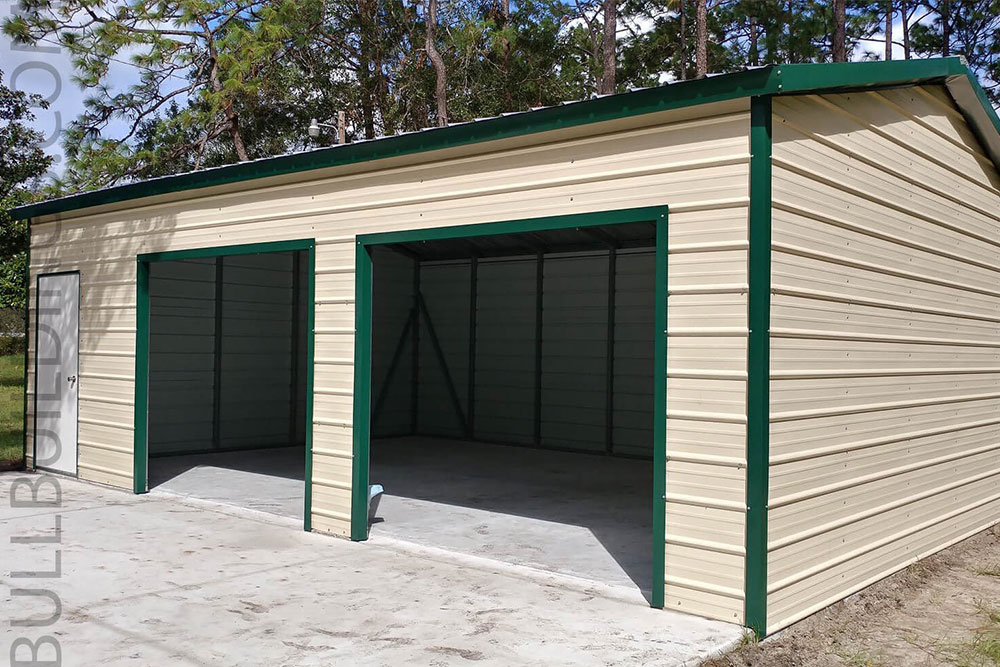
Turning a simple structure into a comfortable living space takes planning and a clear vision. Many property owners start this journey when they want more flexibility from an existing building. If you plan to convert a metal carport into a house, the process begins with understanding what changes are needed to move from storage space to daily living. A metal garage already has a solid frame, which makes it a strong starting point. From there, the goal is to shape the interior and systems so the space feels practical, comfortable, and ready for long-term use.
Start With Local Regulations and Planning
Every successful conversion begins with research. Local building codes will guide what is allowed and what upgrades must be completed before the space can be used for residential purposes. Zoning rules can affect everything from layout to utilities. It is better to confirm these details early instead of making changes that need to be reversed later.
Permits are often required for structural adjustments, plumbing work, and electrical installation. Working with local officials or experienced contractors can help clarify the process. Clear planning at this stage saves time and avoids unexpected costs. It also helps shape realistic expectations for the timeline.
A detailed plan should outline how the space will function day to day. Think about room placement, natural light, and how people will move through the space. A garage layout is usually open, which allows flexibility, but it also requires thoughtful design to create defined areas.
Evaluate the Structure and Make Necessary Upgrades
Metal garages are built for durability, but living spaces require a different level of comfort. Start by examining the frame, foundation, and overall condition of the structure. Any weak points should be addressed before moving forward.
Insulation is one of the biggest upgrades needed. Metal buildings can transfer heat and cold quickly, which affects comfort inside. Adding proper insulation to walls and ceilings helps regulate temperature and reduce noise. This step creates a more stable indoor environment.
Doors and windows also play a major role. Garage doors are not ideal for daily living, so replacing them with standard entry doors and energy-efficient windows can improve both appearance and function. These changes allow better airflow and bring in natural light.
The flooring may need attention as well. Many garages have concrete floors, which can be cold and hard underfoot. Adding subflooring or finished surfaces like laminate or tile can make the space feel more like a home.
Design a Functional Layout
A clear layout transforms an empty shell into a usable living space. Start by identifying the key areas such as sleeping, cooking, and relaxing. Each area should feel separate while still connecting naturally with the rest of the space.
Open-concept designs often work well in converted garages. They make smaller spaces feel larger and allow for flexible furniture placement. Still, some level of separation may be needed for privacy. This can be done with partial walls, sliding doors, or creative furniture placement.
Think about storage early in the design phase. Built-in shelves and cabinets help keep the space organized without taking up too much room. Multi-purpose furniture can also add function without crowding the layout.
Lighting should not be overlooked. A mix of natural and artificial lighting can change how the space feels. Overhead fixtures, wall lights, and task lighting all work together to create a balanced environment.
Plan for Utilities and Systems
A functional home needs reliable systems. Electrical wiring, plumbing, and heating or cooling all need to be installed or upgraded to meet residential standards. This step often requires professional help, especially for safety and compliance.
Electrical work includes adding outlets, lighting fixtures, and circuits that can handle daily use. A garage may not have enough capacity for appliances or electronics, so upgrades are often necessary.
Plumbing depends on the layout. Kitchens and bathrooms need water supply and drainage systems that are built correctly from the start. Planning these areas close together can reduce complexity and cost.
Heating and cooling options vary depending on climate and budget. Mini-split systems are popular for smaller spaces because they are efficient and do not require extensive ductwork. Good insulation supports these systems and helps maintain a steady indoor temperature.
Ventilation also matters. Proper airflow improves comfort and helps control moisture levels inside the structure. This is especially important in kitchens and bathrooms where humidity can build up quickly.
Work With the Right Building Partner
A good metal structure starts with the right match. Size, roof style, gauge, anchors, doors, windows, and site conditions all affect how well the building fits your plan. Choosing too quickly can lead to a structure that feels limited later.
That is where our role matters. At Bull Buildings, we work as brokers for more than 26 metal building manufacturers. We listen to your goals, review your project needs, and compare several options instead of pushing one standard choice. This helps you see different price points, features, and customization paths before you decide.
Our team also brings industry knowledge into the early planning stage. We can help you understand building styles, material choices, layout flexibility, and cost differences. Since each project has different needs, we focus on clear expectations from the start.
Build Around Comfort and Everyday Use
Once the main structure is selected, think about how the space will support daily routines. Wall finishes, ceiling height, window placement, and entry points can all shape the final feel. Small design choices can make the space easier to use.
It also helps to plan for future changes. A flexible metal building can adapt as your needs shift. Wider openings, smart access points, and thoughtful interior spacing can make later upgrades easier.
Choose Clarity Before You Buy
A metal building purchase should feel clear from the first conversation. You should know what is included, what may cost extra, and how each option compares. That clarity helps you avoid confusion and make a confident decision.
At Bull Buildings, we price shop several options based on your needs, then help you compare them in plain language. Our goal is to make the process simple, affordable, and easy to understand.
Contact us today to discuss your customized metal building project and review your best options.