


Picking a shed starts at an important decision: which material to go with? Wood, metal, and plastic each have strengths, but when comparing metal vs. plastic shed options, the right one depends on your climate, usage, and long-term plans. In this guide, we’ll break down how metal and plastic sheds stack up for buyers who want durability, affordability, and low-maintenance solutions.
Durability: When Tough Matters
Metal sheds, especially those made of galvanized steel or aluminum, provide rugged resilience. They’re naturally resistant to rot, insects, and fire. Many can withstand strong winds and heavy snow loads without warping, and a properly sealed and painted metal shed can last decades with only occasional care. In contrast, plastic (HDPE or vinyl) sheds resist rot and pests and don’t rust, but are prone to fading, cracking, or losing shape under extreme temperature swings or hail.
Metal stands up better under impact, making it ideal if you store heavy gear or park equipment nearby. When durability meets security, steel holds the edge. Plastic offers portability, but at the cost of structural strength in rough weather.
Maintenance: Less Work or No Work?
Plastic sheds offer hassle-free upkeep: a periodic rinse with soap and water, and you’re done. They won’t rust or rot and don’t need coatings or treatments. Metal sheds require minimal upkeep too, but you’ll need to address any paint chips or scratches quickly to avoid rust. A yearly inspection and a touch-up job on problem areas keeps corrosion at bay and prolongs the life of a steel shed. For someone with mechanical interests or tools inside their shed, overall maintenance remains manageable.
Weather Resistance and Longevity
Metal sheds are purpose-built for changing weather. Their strength comes from galvanized or powder-coated steel panels designed to shed water, resist corrosion, and handle temperature extremes—some models last over 50 years. Higher-end aluminum sheds offer similar longevity, with no rust and lighter weight.
Plastic sheds fare well against moisture and pests and won’t rot or mold. They’re also excellent for humid or hot climates where steel might weather faster. Still, they remain vulnerable to sun damage and may become brittle or yellow if left in strong sunlight. Overall lifespan tends to be shorter than metal but still solid when cared for.
Temperature and Insulation
Metal sheds can feel like an oven in summer and a fridge in winter – they conduct heat and cold readily. Without proper insulation or airflow, this can affect contents, especially electronics or chemicals. Plastic sheds perform better at moderate temperatures, absorbing less heat, but they don’t completely solve temperature swings.
To improve metal shed comfort, add insulation or reflective coatings and ensure proper ventilation. If storing temperature-sensitive gear, a metal shed might need extra investment to protect against extreme heat or cold.
Security and Impact Resistance
Depending on its gauge, a metal shed is a tough barrier against break-ins. Lockable steel doors offer better vandal resistance than thinner plastic panels. Plastic sheds, while secure for lightweight gear, can be pried open or punctured more easily – suitable for storage bags or lawn tools, but not for an expensive workshop setup.
Weight and Installation
Plastic beats metal on portability – lightweight shed kits are DIY-friendly, easy to move, and quick to assemble, often with basic tools. Metal shed kits are heavier and involve more hardware, but still manageable for most homeowners. Proper anchoring to a flat, stable pad is essential – metal sheds may require more secure foundations, but Bull Buildings will connect you with suppliers who handle local code and anchoring specs.
Customization and Appearance
Plastic and many metal sheds are hard to modify once assembled. Thin walls don’t take well to drilling, shelving, or windows. Wood offers customization, but when comparing metal vs plastic shed for functionality, neither is easily repurposed post-installation.
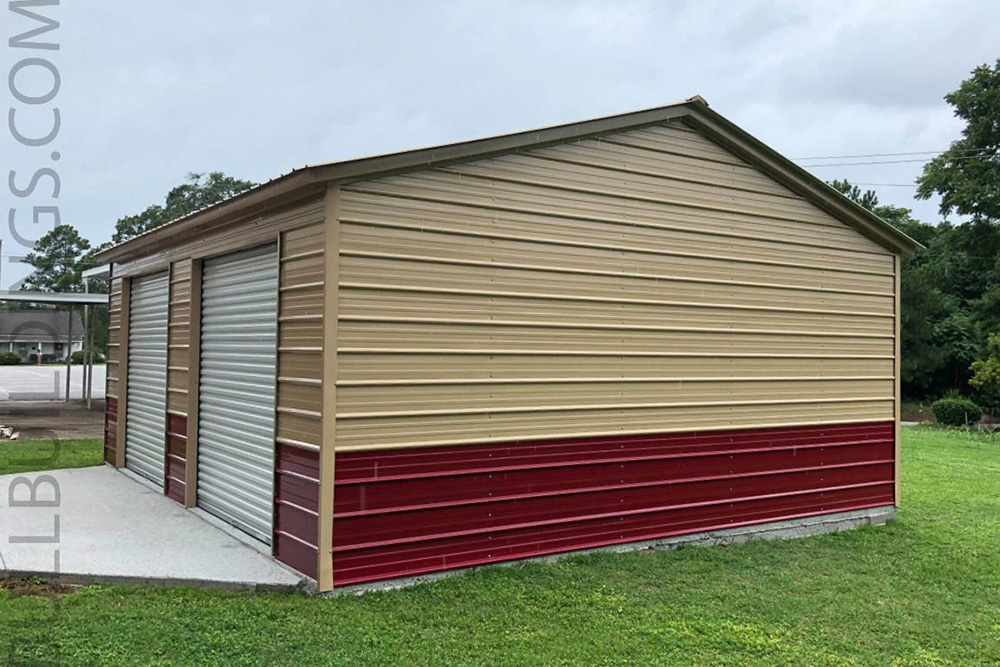
That said, metal sheds often allow pre-order customization – wall color, doors, windows and lean-tos – while plastic sheds usually offer few finish options. If changing or upgrading later matters, metal offers more flexibility at purchase time.
Environmental Impact
When comparing the environmental footprint of a metal vs plastic shed, the long-term sustainability of metal often wins out. Steel is one of the most recyclable materials on earth. Even at the end of a shed’s life, the materials can be repurposed or sold for scrap, reducing landfill waste. Plus, since metal sheds often last longer than plastic alternatives, you’re less likely to be replacing them every few years.
Plastic sheds, while convenient and resistant to rot, are petroleum-based. They aren’t biodegradable and are difficult to recycle. Once a plastic shed begins to break down from UV exposure or becomes cracked or brittle, it often ends up in a landfill. For customers in areas with strict disposal regulations or an interest in sustainability, a metal shed is the more responsible choice.
Cost Considerations
Initial cost is where plastic sheds often seem appealing. Many homeowners can pick up an affordable plastic shed from a local big-box store and install it the same weekend. For quick, lightweight storage needs, that’s a valid solution. However, metal sheds, even when priced slightly higher, provide better long-term value thanks to their durability and resale potential. Maintenance costs tend to be lower over time, and the risk of total structural failure is minimal.
If you’re factoring in financing, remember that some lenders may view metal structures more favorably due to their lifespan and permanence. If you’re building something semi-permanent or investing in property improvements, metal sheds can better support your goals and get more favorable loan terms. This becomes especially relevant when you’re considering larger builds or combining the shed with other outdoor upgrades.
Use Case: What Are You Using It For?
Your intended use should ultimately guide your decision. Need a dry spot to stash pool toys or garden tools? A plastic shed may be just fine. But if you’re storing power tools, hunting gear, ATVs, or feed for livestock, you’ll want the added security and lifespan of metal. The bigger and more valuable your contents, the more a metal shed makes sense.
Many Bull Buildings customers use their sheds for equipment, tractors, or as workshop space. These applications benefit from the strength, security, and longevity of steel. In areas prone to heavy snow or high winds, metal sheds with reinforced framing offer peace of mind that your belongings are safe no matter the season.
Regional Climate: One Size Doesn’t Fit All
Bull Buildings works with buyers across the country, and it’s clear: local climate plays a big role in choosing between a metal vs plastic shed. In hot, dry states like Texas or Arizona, plastic sheds may warp, discolor, or crack over time. Metal sheds in those same regions, with proper coatings, will hold up for decades. On the other hand, in humid, forested regions where mold and pests are a bigger concern, both plastic and galvanized metal resist rot well, but only metal can be repainted and re-sealed as needed.
For areas that receive snow or have high winds, properly anchored metal sheds provide superior protection. Unlike lightweight plastic units that can be toppled in a strong gust, steel sheds can be engineered to meet wind and snow load requirements, providing reliable shelter year-round.
So, Which Is Better?
There’s no one-size-fits-all answer, but if you’re comparing a metal vs. plastic shed in terms of lifespan, strength, and security, metal comes out ahead. While plastic sheds have their place for budget-conscious buyers and simple applications, steel structures offer long-term protection and broader use. For people serious about storage, tools, and property improvements, metal wins by a landslide.
Bull Buildings specializes in sourcing the best metal shed kits from trusted U.S. suppliers. As we work with over two dozen manufacturers, we’ll find the right shed to match your size, budget, and climate – not just push a prefab option. You won’t need to guess which model works best in your area, or which ones meet your county’s codes. We shop for you, we negotiate the best deal, and we connect you to financing options that don’t require jumping through hoops. Whether you need a lean-to for your tractor or a compact storage space for your gear, Bull Buildings can help you get it done right the first time.