


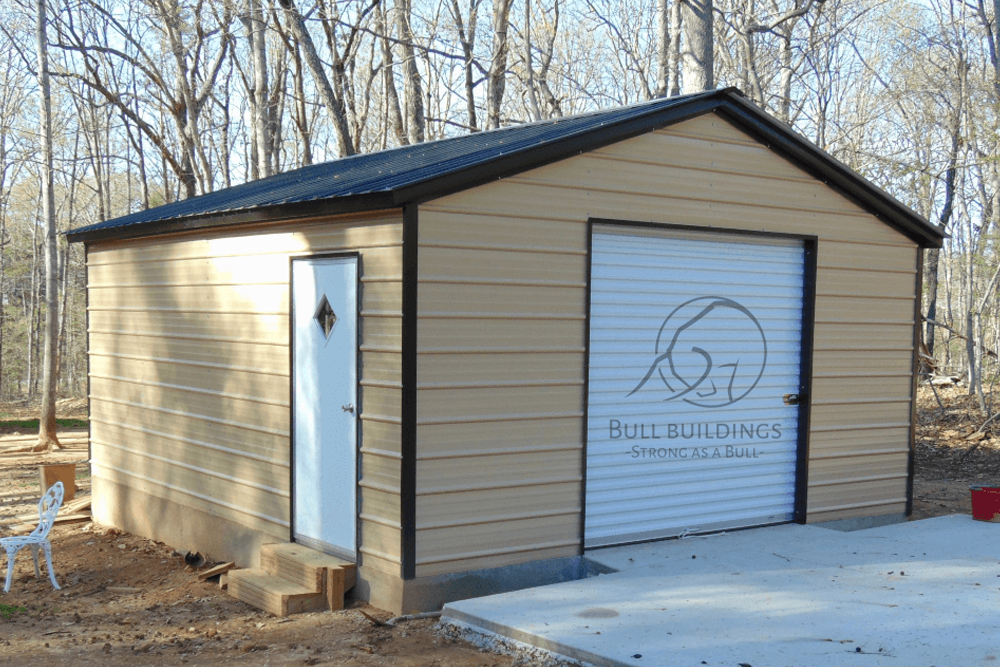
If you’ve got a metal or open-sided carport, chances are you’ve thought about enclosing it for better security and weather protection. A garage not only shields vehicles from rain, snow, and UV rays, but also adds valuable storage space and boosts property value. But before you start the conversion, one question always comes up: What’s the cost to turn a carport into a garage?
The answer depends on more than just throwing up a few walls. Factors like materials, size, permits, foundation work, and labor all play a role. Whether you’re upgrading a small single-bay carport or a large RV shelter, knowing where the costs come from can help you plan — and avoid surprise expenses.
Why Convert a Carport Into a Garage?
Carports have their advantages: they’re affordable, quick to install, and offer basic overhead protection. But they fall short when it comes to security and versatility. A fully enclosed garage brings benefits you can’t get from a carport alone:
- Protection from the elements: Keeps vehicles, tools, and gear safe from moisture, debris, and harsh sunlight.
- Security: Walls, locking doors, and windows deter theft and vandalism.
- Usable year-round: Enclosed spaces can be insulated and heated, making them functional in all seasons.
- Higher resale value: Homebuyers often see an enclosed garage as a must-have feature.
These advantages make the conversion appealing, but each comes with its own set of costs.
Factors That Influence the Cost to Turn a Carport Into a Garage
When you ask contractors or suppliers for an estimate, you’ll quickly notice there’s no one-size-fits-all answer. Let’s break down the main factors that drive pricing.
- Size and Structure
A single-car carport might measure around 12×20 feet, while a double-car unit could be closer to 20×24. Larger structures require more framing, siding, and roofing materials, which increases costs.
If your carport’s frame is in excellent condition, you may only need to add walls, doors, and finishing touches. But if it’s worn, corroded, or undersized, reinforcing or replacing structural components will raise the total.
- Foundation and Flooring
Many carports sit on a gravel pad or bare ground. A garage needs a solid, level slab foundation that can support walls and doors without shifting over time. Pouring new concrete can be one of the most expensive parts of the project, especially if you need demolition or site prep.
In areas with frost heave risks, you may also need deeper footings — adding to both material and labor costs.
- Wall Materials and Siding
The material you choose for your garage walls has a major impact on cost. Common options include:
- Metal siding: Matches existing metal carport roofs, low-maintenance, and cost-effective.
- Wood framing with siding: Offers flexibility in design but may require more upkeep.
- Vinyl siding: Durable and available in various colors, but needs a compatible wall structure.
If you’re trying to blend the garage with your home, matching siding and trim will often cost more than going with a basic finish.
- Doors and Windows
Garage doors can range from a few hundred to several thousand dollars depending on style, insulation, and size. Roll-up and sectional doors are popular for durability and ease of use. Adding windows for natural light is a nice touch, but each opening adds to framing and installation costs.
Don’t forget entry doors — a basic steel side door might be budget-friendly, but premium finishes or security features raise the price.
- Insulation and Interior Finishing
If you plan to use the garage as more than just vehicle storage, insulation is worth considering. Insulating walls and ceilings improves comfort, reduces condensation, and keeps stored items in better condition.
Interior finishes like drywall, plywood, or OSB (or leaving it open-framed) also affect costs. Fully finishing the space adds time, labor, and material expenses.
- Electrical and Utilities
Adding lighting, outlets, or a garage door opener requires electrical work. If your carport is far from your home’s electrical panel, running wiring will add to costs.
Some homeowners also install heating, cooling, or plumbing — but those upgrades can significantly raise your budget.
- Permits and Codes
Most municipalities require permits for a carport-to-garage conversion. Permit fees vary by location but typically range from $50 to several hundred dollars.
You’ll also need to ensure the project meets local building codes, including wind and snow load requirements. Skipping this step can lead to costly fines or even having to undo the work.
Typical Price Ranges
While costs vary widely, here’s a ballpark breakdown:
- Basic conversion with minimal changes: $6,000 – $8,000
- Mid-range conversion with upgraded doors and finishes: $8,000 – $15,000
- Full-featured conversion with insulation, electrical, and matching home finishes: $15,000+
Again, these numbers can swing higher in areas with expensive labor or stricter code requirements.
How to Keep Costs Down Without Cutting Corners
Converting a carport doesn’t have to drain your wallet. Here are some strategies to manage expenses while still getting a quality build:
- Use your existing frame: If your carport’s structure is sound, keep it and work around it.
- Choose cost-effective siding: Metal siding can be less expensive than matching brick or vinyl.
- Plan ahead for utilities: Adding outlets or lights during the build is cheaper than retrofitting later.
- Get multiple quotes: Different suppliers and contractors can have significant price differences for the same work.
This is where Bull Buildings comes in. Instead of you hunting down every supplier yourself, we shop for you. With access to 28 different manufacturers, we can match you with the right materials and suppliers for your location, budget, and design — often at better prices than you’d get going direct.
Step-by-Step Overview of the Conversion Process
If you’re planning the project, knowing what to expect will help you budget better and avoid delays. While every build is different, most carport-to-garage conversions follow a similar process:
- Initial Assessment
Start by checking the condition of your existing carport. Is the frame square, level, and free from rust or structural issues? If repairs are needed, factor those into your budget before moving forward.
- Design & Planning
Decide how you’ll use the garage. Is it strictly for vehicles, or will it double as a workshop or storage space? Your intended use will influence decisions about door sizes, insulation, electrical outlets, and ventilation.
- Permit Application
Secure all necessary permits with your local building department. This step can take time, and skipping it can cause serious setbacks. Permits ensure your conversion meets local safety codes — especially important for snow load, wind resistance, and fire safety.
- Foundation Prep
If you need to pour a new slab or reinforce your existing foundation, this is the time to do it. The slab must be level, strong, and properly cured before walls go up.
- Framing the Walls
Add wall framing to enclose the carport. Depending on your chosen siding, this could be steel framing with metal panels, wood framing with vinyl siding, or another combination. This is also when openings for windows and doors are framed.
- Installing Doors & Windows
Fit the garage door, entry door, and any windows. Larger or insulated doors may require additional framing or headers for support.
- Siding & Roofing
Attach siding to the framed walls and, if necessary, update or replace roof panels. Matching colors and finishes to your home adds curb appeal but may cost more.
- Interior Work
If your budget allows, install insulation, wall coverings, electrical wiring, and lighting fixtures. Doing this during the build — not later — saves time and money.
- Final Inspection
Once work is complete, your local building department will inspect the structure to confirm it meets all codes. Only after passing inspection should you move in vehicles or equipment.
Common Mistakes to Avoid
Cutting corners during a carport-to-garage conversion can lead to costly headaches later. Here are mistakes to steer clear of:
- Skipping Engineering – Don’t assume your slab and frame are suitable without verification. Structural failures can be dangerous and expensive to fix.
- Underestimating Door Sizes – Measure your largest vehicle or equipment first. Upgrading to a bigger door later means tearing into finished walls.
- Ignoring Ventilation – If you’ll be running tools, welding, or even just parking wet vehicles, airflow is key to preventing moisture damage and fumes.
- Leaving Electrical for Later – Retrofitting wiring after walls are up is messy and more expensive. Plan your outlets and lighting from the start.
- Forgetting Future Growth – If you might add a bay, lean-to, or mezzanine later, incorporate expansion-friendly design features now.
Long-Term Maintenance and Durability
Once you’ve invested the time and money into your new garage, protect that investment with regular upkeep.
- Inspect Annually: Check siding, roof panels, and trim for loose fasteners, rust spots, or cracks in sealant.
- Clean Gutters & Roof: Keep water flowing away from the building to prevent leaks and corrosion.
- Lubricate Moving Parts: Doors and tracks operate smoothly with regular lubrication.
- Maintain Ventilation: Ensure vents are clear to reduce condensation inside.
A well-maintained metal garage can easily last decades, often outliving the vehicles it protects.
How Bull Buildings Helps You Save on Costs
One of the biggest hurdles in figuring out the cost to turn a carport into a garage is sourcing the right materials and finding trustworthy suppliers. Most people end up calling multiple companies, comparing quotes, and trying to figure out which one offers the best deal — a process that eats up time and often still costs more than necessary.
Bull Buildings takes that burden off your plate. We act as a broker, working with 28 different manufacturers to find the right match for your project. Because we buy in high volume — around $40M in buildings each year — we can often secure better pricing than you’d get on your own, and we pass those savings directly to you.
You tell us the size, location, and purpose of your garage, and we connect you with the most cost-effective supplier that meets your needs. No cold calls, no endless internet searches — just a streamlined process that gets you the best building for your budget.
Is It Worth It?
For many homeowners, the added security, utility, and property value make the conversion well worth the investment. Not only do you get a more functional space, but you also enhance your home’s resale appeal.
While the initial expense can range widely, careful planning, smart material choices, and leveraging Bull Buildings’ supplier network can make the project surprisingly affordable — without cutting corners.
Turn Your Carport into a Garage
The cost to turn a carport into a garage depends on factors like size, materials, foundation, and added features, but the benefits are hard to ignore. A garage offers protection, security, and added value that an open carport simply can’t match.
Whether you want a no-frills enclosure or a fully insulated, finished garage with electrical and storage space, Bull Buildings can help you source the right kit at the right price — and have it shipped directly to your site, ready to assemble.
Ready to start your conversion? Reach out to Bull Buildings and let us do the supplier shopping for you. You’ll get a garage that fits your needs, budget, and style — without the headache of hunting for deals yourself.