


Metal buildings are designed to be durable. The panels you choose play a big part in how well they hold up and function. If the metal building is used as a workshop or storage space, the panels you select can affect everything from energy efficiency to maintenance costs. Here is a closer look into various metal building panel types, each designed to meet specific requirements.
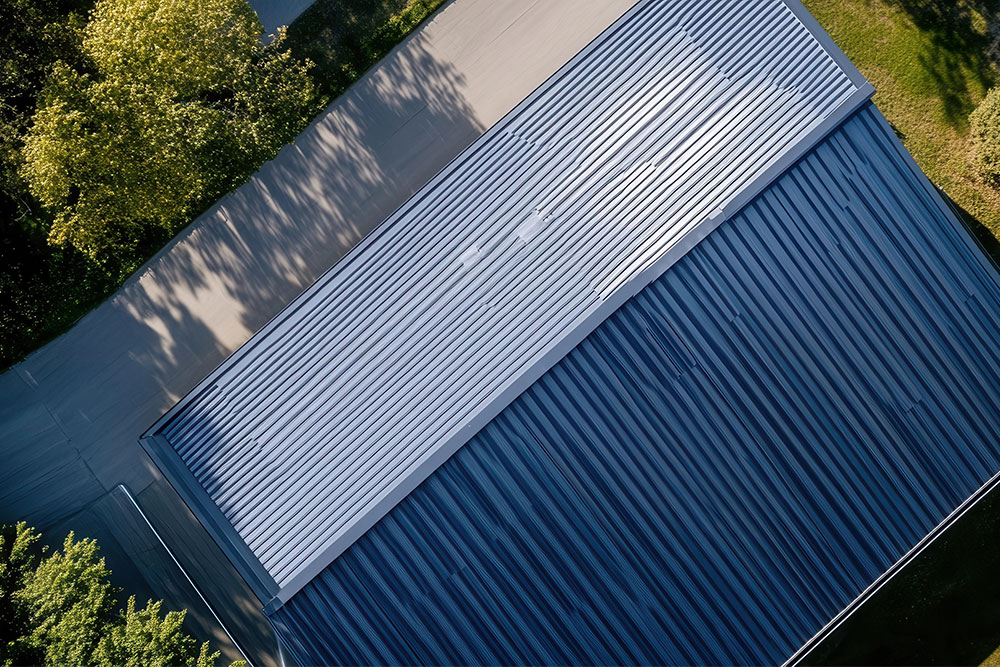
The most common metal building panels are R-panel and PBR panel, which are exposed-fastener panels for roofs and walls. Standing seam panels hide the fasteners and suit buildings where looks and weather resistance matter. Corrugated, box rib, flat and insulated panels fill other needs, as the table shows.
Metal Panel Types Compared
| Panel | Typical use | Fasteners | Cost and appearance |
|---|---|---|---|
| R-panel | Roofing and siding on barns, warehouses and storage sheds | Exposed | Cost-effective and practical rather than decorative |
| PBR panel | Roofs and walls on larger commercial, industrial and agricultural buildings | Exposed | Adds a purlin bearing leg to the R-panel profile. One manufacturer puts the price gap at under 2% |
| Standing seam | Roofing and siding where appearance matters | Concealed | Sleek, clean, continuous surface. Ask for a quote |
| Corrugated | Agricultural and industrial buildings, plus roofing and siding | Exposed | Affordable, with a wavy, ridged look |
| Box rib | Large, heavy-duty buildings such as warehouses and plants | Ask your supplier | Typically more expensive than simpler panels |
| Flat | Siding for modern residential and commercial buildings, sometimes roofing | Ask your supplier | Smooth, minimalist look. Ask for a quote |
| Insulated metal panel (IMP) | Buildings that need steady temperatures | Ask your supplier | Rigid insulation between two coated metal facings. Ask for a quote |
Sources: Western States Metal Roofing, “Exposed Fastener Roof Panels: Corrugated vs. R-Panel (PBR),” April 10, 2020 (link); Metal Construction Association, “Selection Guideline for Insulated Metal Panels” (link). Other columns summarize the descriptions below. Checked October 2026.
Panels also affect comfort inside. Read our guide to insulation options for a metal building, and see sheet metal panels vs. PVC for garage walls for interior finishes.
R-Panel
R-panels are a popular choice for both roofing and siding in industrial and agricultural buildings. These panels feature raised ribs. Therefore, they not only provide strength but also help with water drainage. The R-panel is known for its cost-effectiveness. It’s a go-to for many large-scale projects.
R-panels are durable, resistant to weathering, and relatively easy to install. They handle rain, snow, and wind with ease, which is ideal for regions with heavy weather. They’re great for simple, functional structures like barns, warehouses, and storage sheds. While they may not have the same aesthetic appeal as other panels, their practicality and value are hard to beat.
PBR Panel
The PBR panel takes the R-panel a step further. Featuring deeper ribs, it delivers even more strength. It’s a great option for larger buildings or structures that need to handle heavy loads. PBR panels are often used in commercial, industrial, and agricultural buildings.
The design of PBR panels guarantees secure installation. It prevents leaks and provides added protection against the elements. Like the R-panel, it’s quick to install and highly durable. While the PBR panel may not be the most visually striking choice, its superior resistance to harsh weather conditions makes it a reliable option for big projects.
Standing Seam Panels
Standing seam panels are known for their sleek, modern look and excellent weather resistance. Unlike other panels, the seams are raised and interlocked. They give the panel a clean, continuous surface with no exposed fasteners. This design prevents leaks and delivers superior protection from the elements.
These panels are commonly used for both roofing and siding, especially in commercial and residential applications where aesthetics matter. Standing seam panels are highly durable and resistant to wind, rain, and snow. They are also low-maintenance as the hidden fasteners reduce the risk of rust and corrosion.
Corrugated Metal Panels
Corrugated panels are some of the most recognizable types of metal building panels, due to their wavy, ridged design. These panels have been used for generations in agricultural and industrial buildings. The corrugation comes with added strength and allows the panels to flex without cracking. This is a key feature for structures that may experience shifting or settling over time.
Corrugated panels are available in a variety of materials, including steel and aluminum. Both of these options are resistant to rust and corrosion. They are lightweight, easy to install, and an affordable option for anyone looking for a reliable metal panel for their project.
Box Rib Panels
Box rib panels feature deeper, square-shaped ribs that bring superior support. These panels are often used for large, heavy-duty structures such as warehouses, manufacturing plants, and storage facilities. The deeper ribs provide added support. Therefore, box rib panels are more resistant to bending or deformation under pressure.
These panels are great for projects that need to withstand heavy loads and harsh conditions. They also come with excellent insulation properties and can be used for both roofing and siding. Box rib panels are typically more expensive than simpler panel types. However, they’re worth the investment for structures that need to stand up to the toughest conditions.
Flat Metal Panels
Flat metal panels have a smooth, sleek surface with no raised ribs or corrugation. These panels are favored for their minimalist, modern aesthetic. They are a popular choice for high-end residential and commercial buildings. The smooth design brings a clean, uniform look that can complement many architectural styles.
In addition to their visual appeal, flat panels are durable and resistant to the elements. These panels are easy to clean and maintain because there are no seams or crevices for dirt or debris to collect. Flat metal panels are commonly used for siding but can also be used for roofing, depending on the application. Their simple, streamlined look makes them a good choice for anyone looking for a modern building design.
Insulated Metal Panels (IMPs)
Insulated metal panels (IMPs) are designed to add both structural strength and thermal insulation. These panels feature a layer of foam or another insulating material sandwiched between two layers of metal. This construction makes them ideal for buildings that need to maintain consistent temperatures.
The insulation properties of IMPs help reduce energy costs by keeping the building cool in summer and warm in winter. They also offer ample protection against the elements, with excellent resistance to moisture and temperature fluctuations. IMPs are perfect for projects where energy efficiency is a priority. Their durability and ease of installation make them a solid choice for commercial and industrial applications.
With over 100 years of combined experience in the metal building industry, Bull Buildings has the expertise to guide you through the process of selecting metal building panel types.
We can help you find the right metal building at the most competitive prices. Call us at (877) 201-0150 to learn more about our “We Shop For You” services and get started on your next project!
Panels for Barns and Siding
For barns and other simple, functional buildings, the usual choices are R-panel and corrugated. R-panel is described as the most popular metal siding panel and is used mainly on walls. Corrugated works for both roofing and siding. Standing seam or flat panels give a more finished look when appearance matters.
Frequently Asked Questions
What is the difference between R-panel and PBR panel?
Both are 36-inch exposed-fastener panels with raised ribs. The PBR adds a purlin bearing leg, an overlap section that strengthens the panel and improves weathertightness. R-panel is used mainly for walls and siding, while PBR is recommended for roofs or walls.
What is the most common metal building panel?
R-panel is one of the most popular, and one manufacturer calls it the most popular metal siding panel. PBR is a close relative that is often used on roofs.
What panel is best for a metal roof?
It depends on the building and budget. PBR is an economical exposed-fastener choice for roofs, and standing seam hides the fasteners for a cleaner look and added protection. Ask your supplier which fits your wind, snow and rain conditions.
What is a standing seam metal panel?
A panel with raised, interlocked seams that gives a clean, continuous surface with no exposed fasteners. It is used on roofs and siding, especially where appearance matters.
Are insulated metal panels worth the cost?
Insulated metal panels combine rigid insulation and two coated metal facings in one product, so they suit buildings that need steady temperatures. Whether they pay off depends on your climate, use and quote, so ask us to compare them with a standard panel plus insulation.
We shop many manufacturers for you, so you get clear quotes without calling around.
We Shop For YouDesign Your Own