


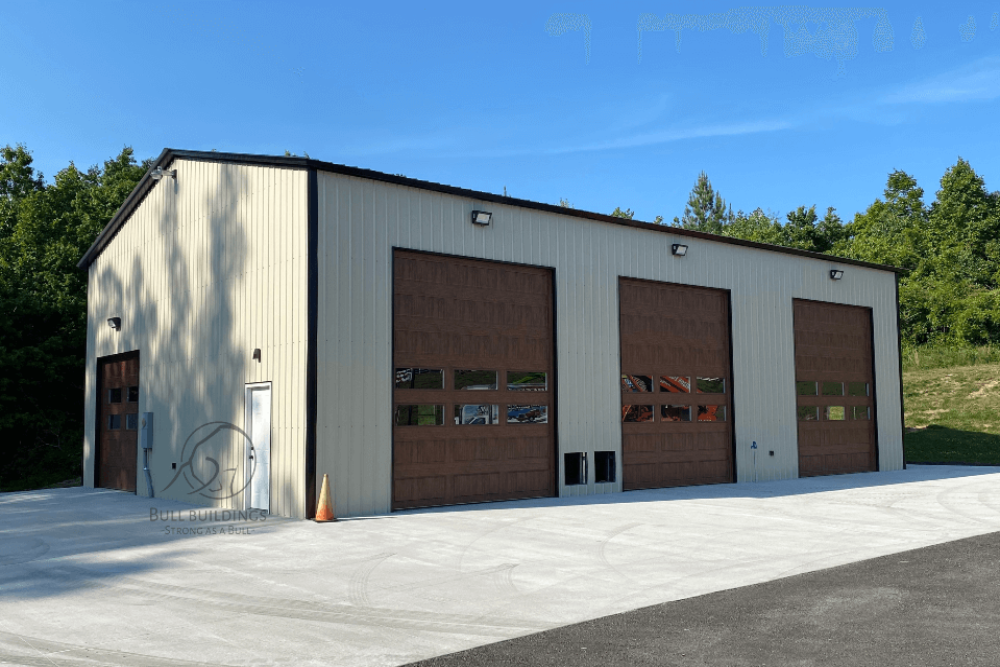
A strong, efficient commercial structure starts with a solid frame and smart insulation. While steel is incredibly durable, it’s also highly conductive, which means temperature swings, condensation, and noise can all creep in if your insulation isn’t done correctly. The right commercial metal building insulation keeps interior spaces comfortable, energy costs low, and the structure protected for decades.
At Bull Buildings, we connect business owners with premium-grade steel building systems that perform as well inside as they look outside. If you’re planning or upgrading your metal facility, here’s everything you need to know about insulating it the right way.
Why Insulation Matters
Insulation is more than a comfort upgrade; it’s a structural safeguard. Without it, your building becomes a heat conductor in summer and a cold trap in winter. Proper insulation regulates internal temperatures, reduces energy strain on HVAC systems, and prevents condensation that can corrode panels and framing.
Condensation is one of the most common culprits behind premature deterioration in metal structures. When warm indoor air meets cool steel surfaces, water droplets form. Over time, these droplets create rust, mold, and damaged finishes. Insulation creates a thermal barrier that minimizes these risks while improving indoor air quality and acoustics.
The Main Benefits of Insulating a Commercial Metal Building
1. Temperature Regulation
Insulation limits heat transfer through walls and roofing, keeping interiors cooler in summer and warmer in winter. That stable environment protects both people and equipment.
2. Energy Efficiency
A properly insulated building can reduce heating and cooling costs by up to 40 percent. This energy savings adds up fast in large warehouses, showrooms, and office complexes.
3. Condensation Control
High-performance insulation combined with vapor retarders keeps moisture from collecting inside walls or along framing. That prevents corrosion and extends your building’s lifespan.
4. Sound Absorption
Commercial facilities such as manufacturing plants or gyms generate noise. Insulation absorbs sound waves, creating a quieter, more comfortable workspace.
5. Professional Finish
Many insulation systems include an interior facing layer that doubles as a finished surface. This creates a clean, bright look that reflects light and reduces the need for additional interior wall treatments.
The Most Common Types of Metal Building Insulation
There isn’t one single method that fits every project. The right insulation depends on your building’s purpose, climate, and energy goals.
Fiberglass Blanket Insulation
The most widely used and cost-effective option, fiberglass blanket insulation is easy to install between girts and purlins before wall and roof panels go on. It provides consistent R-values and is available in single or double layers for added performance.
Faced fiberglass includes a vapor retarder that improves moisture resistance while giving the interior a smooth, finished appearance. For large warehouses or semi-heated spaces, this system often delivers the best balance of cost and efficiency.
Rigid Foam Board
Made from polystyrene or polyisocyanurate, rigid boards deliver higher insulation values per inch than fiberglass. They’re typically used in commercial buildings requiring continuous insulation, meaning fewer thermal breaks and better code compliance.
Foam boards work well under roof panels, behind wall sheathing, or even on exterior surfaces beneath architectural cladding. Their durability and water resistance make them ideal for humid or high-traffic environments.
Spray Foam Insulation
Spray foam creates an airtight seal by expanding into gaps and seams, reducing air infiltration better than almost any other option. It’s often used in retrofit applications or irregular surfaces where blanket insulation isn’t practical.
Closed-cell spray foam provides both insulation and a moisture barrier, but it must be applied carefully by professionals to avoid overspray or uneven coverage.
Insulated Metal Panels (IMPs)
For premium commercial applications, IMPs combine the structure and insulation in one product. Each panel includes two steel skins with rigid foam in between, delivering unmatched energy performance and a sleek modern look.
Although more expensive upfront, IMPs save time on installation and reduce long-term operating costs. They’re a popular choice for high-end offices, retail spaces, and cold-storage facilities.
How To Properly Insulate a Commercial Metal Building
Getting the insulation right is a mix of planning, materials, and method. Here’s how professionals approach the process:
Step 1: Assess Your Building’s Purpose and Climate
The insulation strategy for a temperature-controlled warehouse in Texas will differ from that of an unheated storage facility in Minnesota. Determine whether your building needs to meet full energy-code compliance or semi-heated standards.
Step 2: Choose Materials That Match Performance Needs
Select insulation with the right R-value for your region and intended use. For most commercial buildings, R-25 to R-35 in the roof and R-13 to R-19 in the walls provide a strong balance between cost and efficiency.
Step 3: Plan for Moisture Control
Install a continuous vapor retarder facing the building’s interior to prevent condensation. In high-humidity areas, consider adding a dehumidifier or ventilation system for extra protection.
Step 4: Seal Every Gap
Even the best insulation won’t perform if air can leak through joints or seams. Use metal-safe sealants around openings, fasteners, and edges. Pay attention to transitions where walls meet the roof or foundation.
Step 5: Ensure Proper Ventilation
A balanced ventilation system keeps air circulating and prevents trapped moisture. Ridge vents, louvers, and mechanical exhaust fans help maintain airflow and reduce internal heat buildup.
Step 6: Inspect Regularly
After installation, check insulation periodically for sagging, moisture, or punctures. Damaged insulation loses effectiveness and can lead to costly repairs later.
Best Practices for Energy-Efficient Insulation
- Combine Layers: In large facilities, double-layer insulation systems increase thermal performance without adding structural weight.
- Use Thermal Breaks: Placing thermal spacers between the insulation and framing reduces heat loss through steel members.
- Optimize Lighting: Bright vapor retarders reflect light, improving visibility and reducing the number of fixtures needed.
- Upgrade Doors and Windows: Insulated overhead doors and double-pane windows complement your wall and roof systems.
- Seal Ductwork: Unsealed ducts are one of the biggest sources of energy waste in metal buildings.
Common Mistakes to Avoid
- Skipping the Vapor Retarder: Without it, condensation will eventually damage panels and reduce insulation lifespan.
- Ignoring Air Leaks: Even tiny gaps can undermine R-values by letting conditioned air escape.
- Using Incompatible Adhesives: Some sealants can degrade insulation facings or coatings. Always choose products rated for steel construction.
- Forgetting Load Considerations: If you plan to hang HVAC units, lights, or liners from the ceiling, factor those dead loads into your building’s design before installation.
How Insulation Impacts Business Performance
Commercial buildings that maintain steady indoor temperatures experience fewer equipment failures, lower employee fatigue, and reduced maintenance costs. Energy-efficient insulation directly supports profit margins by cutting monthly utility bills and prolonging the life of HVAC systems.
Insulated interiors also improve acoustics and visual comfort, creating more pleasant environments for offices, retail floors, and production spaces alike. In short, insulation enhances both your building’s durability and your daily operations.
Partnering With Experts
Insulating a steel structure correctly requires understanding of materials, codes, and installation techniques. Partnering with experienced professionals ensures your insulation system meets performance targets and passes inspection the first time.
At Bull Buildings, we connect you with trusted suppliers and help you design structures that are energy-efficient from the start. With access to 28 national suppliers, we can match your project to the right materials and configurations for maximum performance.
When you’re ready to build or upgrade, explore our range of metal structures for sale and discover how we make finding the perfect solution simple, affordable, and efficient.
Build Smart, Stay Comfortable
A well-insulated commercial metal building isn’t just efficient, it’s dependable, quieter, and built for long-term success. By choosing quality insulation materials and installation methods, you’ll protect your investment and ensure comfort in every season.
With Bull Buildings, you don’t have to figure it out alone. We shop for you, sourcing the best-performing structures and components so your business can focus on what matters most – growth, productivity, and peace of mind.