


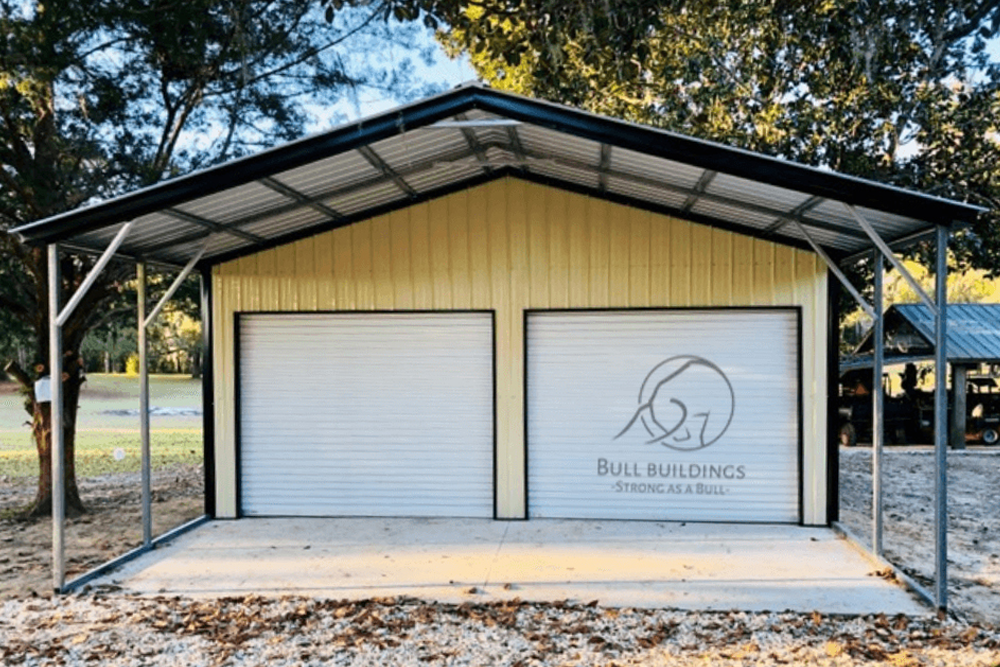
Your garage door takes a beating. It faces sun, rain, dirt, and cold weather year after year. Over time, the original finish fades, chalks, or starts to peel. Painting metal garage doors is one of the most cost-effective ways to protect the surface, improve curb appeal, and extend service life.
To paint a metal garage door: clean it with TSP and water, remove rust and peeling paint, sand lightly, apply a primer made for metal, then roll or spray two light coats of exterior acrylic latex or exterior metal paint. Let each coat dry as the paint label directs.
But metal doors are not like wood or aluminum siding. They have unique challenges: slick surfaces, hidden fasteners, and the potential for rust if prep is incomplete. If you want a durable, long-lasting finish, you have to do it right.
Here’s how to paint metal garage doors so they look good and stand up to the elements.
Why You Should Paint Metal Garage Doors
Painting is more than a cosmetic update. It:
- Protects against rust and corrosion
- Seals surface imperfections
- Improves energy efficiency when using reflective or lighter colors
- Boosts curb appeal and property value
- Extends the life of the door
A fresh coat of well-applied paint can add years of usable life to a metal garage door.
Door Condition and Prep Needed
| Door condition | Prep needed before priming |
|---|---|
| Dirty or greasy | Wash with water and TSP cleaner, then rinse well. Pay attention to handles, hinges and seams |
| Rust spots | Scrub to solid metal with a wire brush or medium-grit sandpaper. Use a chemical rust remover for stubborn rust, then wipe clean |
| Peeling or flaking paint | Scrape and sand away loose paint until the edges are stable, then wipe off the dust |
| Sound but glossy or slick finish | Lightly sand the whole door so primer has something to grip, then wipe off the dust |
| Bare metal | Clean, then prime right away with a metal primer so flash rust does not form |
Always follow the directions on your cleaner, rust remover, primer and paint labels, including their temperature and humidity limits.
Tools and Materials You’ll Need
Before you begin, gather:
- Drop cloths or plastic sheeting
- Painter’s tape
- Wire brush or sandpaper (medium grit)
- Chemical rust remover if rust is present
- Trisodium phosphate (TSP) cleaner
- Primer formulated for metal surfaces
- Exterior metal paint or acrylic latex paint
- Paint roller with smooth nap or paint sprayer
- Angled paintbrush for corners and edges
Preparation is the key to success, so having the right tools makes the process smoother.
Step 1: Clean the Door Thoroughly
Start by cleaning dirt, dust, grease, and any residue off the door. Use a mixture of water and trisodium phosphate (TSP) cleaner to break down oils and grime.
Pay special attention to areas around handles, hinges, and seams where dirt collects. Rinse thoroughly with clean water. Painting over dirt guarantees premature failure of the finish.
Step 2: Remove Rust and Peeling Paint
If your metal garage door has rust spots or flaking paint, you need to address them before painting. Use a wire brush or medium-grit sandpaper to scrub away rust until you reach solid metal.
For stubborn rust, consider a chemical rust remover. Work methodically so you are removing only unstable material, not deep gouges in the metal. After rust removal, wipe the area clean with a damp cloth.
Step 3: Sand for Better Adhesion
Even if there is no rust, lightly sand the entire surface of the door. This roughens the slick metal surface just enough to give primer and paint something to grab onto.
Once sanding is complete, wipe away sanding dust with a clean, dry cloth. This step is essential for a smooth, long-lasting finish.
Step 4: Protect Surrounding Areas
Painting garage doors can be messy. Lay down drop cloths or plastic sheeting to protect driveways, landscaping, and garage walls.
Use painter’s tape to mask off windows, handles, locks, and weather stripping. Getting clean edges and preventing overspray makes the final result look professional.
Step 5: Apply a Primer Designed for Metal
Primer is not optional. Metal surfaces need a bonding layer before paint can adhere properly.
Choose a primer formulated for metal, preferably one that also includes corrosion resistance. Apply a thin, even coat. Allow it to dry completely according to the manufacturer’s instructions before moving ahead.
Primer helps seal bare metal, prevents flash rust, and ensures your topcoat stays put.
Primer and Paint Types to Look For
- Primer: a metal primer, preferably with corrosion resistance. Look for one the label says is made for metal.
- Paint: exterior acrylic latex or a specially formulated exterior metal paint. Check for an exterior rating, UV resistance, rust inhibition and flexibility for temperature changes.
- Application: a smooth-nap roller with an angled brush, or a paint sprayer, in two light coats.
| Example product | What the manufacturer says |
|---|---|
| BEHR Metal Primer (water-based) | Made for metal doors, railings, fences and garage doors. Dries in 30 minutes and is ready to topcoat in 1 hour. Apply when air and surface temperatures are between 50 and 90°F. Can be applied over clean or sound rusty metal after loose paint, dirt and loose rust particles are removed. Surfaces must be cleaned and primed on the same day |
Source: BEHR, “BEHR Metal Primer” product page (behr.com). Checked October 2026. This is one example, not an endorsement, and other primers have different limits, so always read the label of the product you buy. Prices are not listed because they change.
Step 6: Select the Right Paint
When selecting paint for metal garage doors, look for:
- Exterior rating
- UV resistance
- Rust inhibition
- Flexibility for temperature changes
Acrylic latex paints are a popular choice because they adhere well, resist fading, and are easier to clean up than oil-based paints. Some painters also use specially formulated exterior metal paints designed for durability.
Match your color choice to your home’s siding and trim for a cohesive look.
Step 7: Apply the Paint
There are two common methods:
Roller and Brush:
Start with an angled brush to cut in around edges, seams, and hard-to-reach areas. Then use a smooth-nap roller to fill in the larger flat surfaces.
Spray Gun:
If you have a paint sprayer, you can achieve a very even finish quickly. Spray in steady, overlapping passes. Keep the nozzle at a consistent distance from the surface to avoid runs and sags.
Whether you roll or spray, apply two light coats rather than one heavy coat. Light coats dry more evenly and reduce drips.
Step 8: Allow Proper Drying Time
Follow the paint manufacturer’s recommended drying times between coats. Temperature and humidity affect drying, so be patient. Rushing this step increases the risk of surface imperfections and premature peeling.
Step 9: Remove Tape and Clean Up
Once your final coat is dry to the touch, carefully remove painter’s tape. Clean brushes and rollers according to the paint type you used.
Stand back and inspect your work. Proper prep and patient application pay off with a finish that looks crisp and holds up over time.
Tips for Long-Term Maintenance
Once your metal garage door is painted:
- Wash it with mild detergent every six months
- Touch up chips promptly to avoid rust spots
- Avoid abrasive cleaners or scrubbers
- Check edges and bottom seals for moisture intrusion
Regular cleaning and inspection help your paint job stay fresh and protective.
Common Mistakes to Avoid
Painting metal garage doors may seem straightforward, but some pitfalls shorten the life of the finish:
- Skipping primer
- Painting over rust
- Applying heavy coats
- Ignoring surface preparation
Do not rush these steps. The difference between a paint job that lasts years versus months is often preparation.
Frequently Asked Questions
What kind of paint do you use on a metal garage door?
Exterior acrylic latex is a popular choice because it adheres well, resists fading and cleans up easily. Specially formulated exterior metal paints also work. Look for an exterior rating, UV resistance, rust inhibition and flexibility.
Do you need to prime a metal garage door before painting?
Yes. Metal needs a bonding layer before paint can stick well. A primer made for metal that also resists corrosion seals bare metal and helps prevent flash rust.
Can you paint a rusty metal garage door?
Yes, but not over loose rust. Scrub the rust off down to solid metal, use a chemical rust remover if needed, clean the door, then prime and paint. Some metal primers are made for sound rusty metal, but the label will still call for removing loose rust and peeling paint first. See our guide to keeping a metal garage safe from rust and corrosion.
How long does paint take to cure on a metal door?
It depends on the product, the temperature and the humidity, so follow the drying and recoat times on your labels. As one example, BEHR says its metal primer dries in 30 minutes and is ready to topcoat in 1 hour. Paint and enamel take longer, so check the label for your topcoat.
What temperature is best for painting a garage door?
Each product label lists its own range. BEHR, for example, says to apply its metal primer when air and surface temperatures are between 50 and 90°F. Check your products, and avoid extreme heat, cold or damp, which slows drying and can cause imperfections.
Painting Your Metal Garage Doors
Painting your garage door is one of the fastest ways to refresh your property, add protection, and increase value. When you follow the right prep steps and choose appropriate products, a painted metal garage door can protect your investment for years.
At Bull Buildings, we know that a garage is more than a storage space. It is part of your property, your daily routine, and often your first line of defense against the elements. That is why we help homeowners think through the full lifecycle of their structures, from framing and roofing to finishing touches like painted garage doors.
When a metal garage is built right and finished properly, it does more than look good. It protects your vehicles, tools, and gear for the long haul. If you are building or upgrading, Bull Buildings will shop the right options, so your garage is engineered for durability, easy upkeep, and lasting performance.
Painting your door the right way makes that investment worth protecting.
We shop many manufacturers for you, so you get clear quotes without calling around.
We Shop For YouDesign Your Own