


When investing in a new metal building, it’s essential to consider not just the construction costs but also the ongoing expenses like insurance. Fortunately, metal building insurance is generally more affordable than coverage for wood-framed or traditional structures. This affordability stems from the durability and fire resistance of metal buildings, but there are several key factors to keep in mind to ensure you get the best rates.
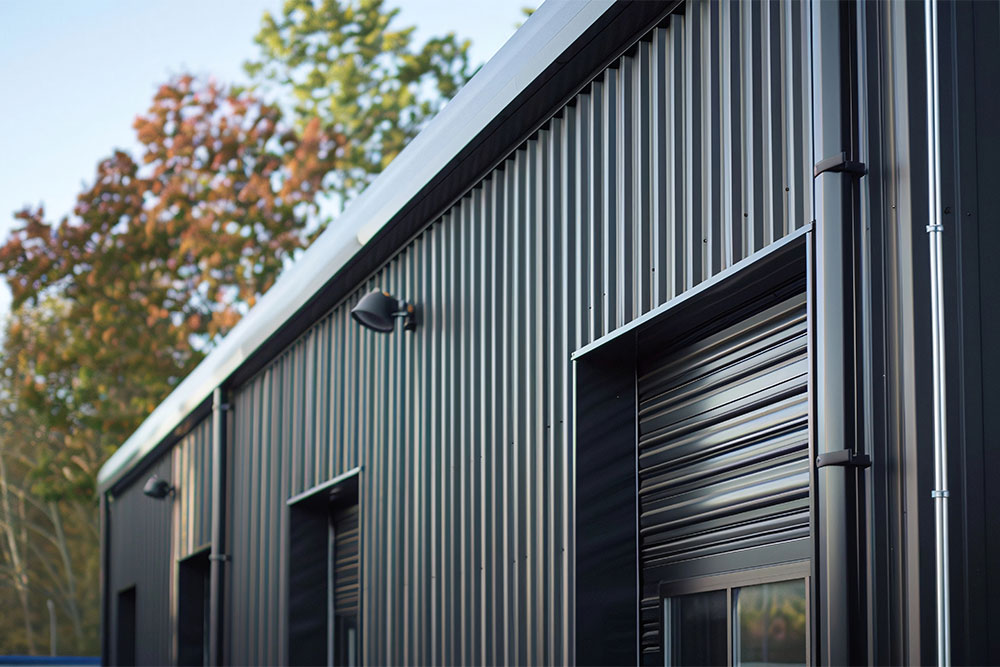
Insurers commonly place steel-framed metal buildings in ISO Class 3, noncombustible construction, which can work in your favor. Your actual premium still depends on where the building is, how it is used, what it holds and the coverage you choose. Compare quotes and confirm details with an insurance agent.
Source: IRMI, “Building Construction Categories (ISO)” (Class 3 definition). Checked October 2026.
Understanding Metal Building Insurance
Insurance rates for metal buildings are determined by assessing the structure’s overall risk. Key factors include:
- Building Materials: Metal structures are more resistant to fire, wind, and water damage, which lowers their risk profile.
- Fire Resistance Classification: Structures are assigned a fire resistance class based on ISO standards, which directly impacts insurance premiums.
ISO Fire Resistance Classifications
The Insurance Services Office (ISO) has developed six classifications of fire resistance. These help insurers determine how a building might perform in the event of a fire:
- Class 1: Frame – Exterior walls of wood or other combustible material, such as wood, brick or stone veneer over wood framing, or stucco on wood.
- Class 2: Joisted Masonry – Exterior walls of masonry, with combustible floors and roof.
- Class 3: Noncombustible – Exterior walls, floor and supports made of metal or other noncombustible materials.
- Class 4: Masonry Noncombustible – Masonry exterior walls, with floors and roof of metal or other noncombustible materials.
- Class 5: Modified Fire Resistive – Exterior walls, floors and roof of masonry or fire-resistive material rated at least 1 hour but less than 2 hours.
- Class 6: Fire Resistive – Exterior walls, floors and roof of masonry or fire-resistive material rated at least 2 hours.
Most metal buildings with steel roofs fall into Class 3, providing a balance of fire resistance and affordability.
ISO Construction Classes At A Glance
| Class | Name | Exterior walls | Floors and roof |
|---|---|---|---|
| 1 | Frame | Wood or other combustible material | Not specified |
| 2 | Joisted masonry | Masonry | Combustible |
| 3 | Noncombustible | Metal or other noncombustible materials | Noncombustible (floor and supports) |
| 4 | Masonry noncombustible | Masonry | Metal or other noncombustible |
| 5 | Modified fire resistive | Masonry or fire-resistive, 1 to under 2 hours | Same |
| 6 | Fire resistive | Masonry or fire-resistive, 2 hours or more | Same |
Source: IRMI, “Building Construction Categories (ISO)”, which defines the six ISO construction codes. Your insurer assigns the class, so confirm it with your agent. Checked October 2026.
Steps to Lower Your Metal Building Insurance Rates
While metal buildings are inherently more affordable to insure, you can take additional steps to reduce premiums:
- Add Fireproofing Measures
Enhancing fire resistance can significantly lower insurance costs. Common fireproofing options include:
- Intumescent Coatings: These expand under heat to create a protective barrier between fire and steel components.
- Rigid Board Fireproofing: Easy to install, this material meets fireproofing standards while adding thermal and acoustic benefits.
- Concrete Encasement: Encasing steel columns or large sections of the building in concrete boosts fire resistance without excessive costs.
- Install Sprinkler Systems
Sprinkler systems are a straightforward way to reduce fire-related risks. Many insurers offer discounts for buildings equipped with active fire suppression systems.
- Optimize Structural Design
When planning your metal building, prioritize Class 3 construction. Higher classifications, like Class 5 or 6, offer added fire resistance but may not provide enough insurance savings to justify the increased construction costs.
Benefits of Metal Buildings for Insurance
Metal buildings have clear advantages when it comes to insurance. They are:
- Fire-Resistant: Steel construction naturally limits fire spread compared to wood.
- Durable: Resistant to severe weather conditions like high winds and heavy rain.
- Cost-Effective: Lower repair costs make them less risky for insurers, which translates to lower premiums for you.
These advantages make metal building insurance classifications more favorable compared to traditional structures.
What To Have Ready When You Ask For A Quote
- How the building will be used and what it will hold
- Where it will sit, and its size and replacement cost
- The construction type and ISO class (Class 3 for most steel-walled buildings; your agent confirms it)
- Roof and wall materials, and any fireproofing
- Fire protection such as sprinklers
- Whether you also need coverage while the building is going up
These are common starting points. Your agent may ask for more, so confirm the details with them before you decide.
Metal Building Insurance: Frequently Asked Questions
Is insurance cheaper for a metal building?
It can be, because steel is noncombustible and resists fire, wind and water, but there is no guaranteed discount. Get quotes for your own building and location.
What affects metal building insurance premiums?
The building materials, its ISO fire resistance class, fireproofing, sprinklers, and the factors every insurer weighs such as location, use and coverage limits. Your agent can show how each one changes your quote.
Do I need insurance during construction?
Ask your insurance agent and your contractor. Coverage while a building is being erected is often arranged separately from coverage on the finished building, and lenders may require it.
What is an ISO fire classification?
ISO sorts buildings into six construction classes from Frame (Class 1) to Fire Resistive (Class 6), based on how the walls, floors and roof are built. Insurers use them to estimate fire risk. See the table above. Source: IRMI. Checked October 2026.
Why Work with Bull Buildings?
At Bull Buildings, we specialize in helping you find the perfect metal building for your specific needs. Whether you’re looking for a workshop, garage, or storage shed, we partner with over 28 manufacturers to ensure you get the best quality and price.
We also understand the importance of long-term costs like insurance. By working with us, you’ll gain access to a range of metal building options designed to meet your budget, including those that align with favorable metal building with steel roof insurance classifications.
Ready to start your next project? Contact one of our Metal Building Project Managers today.
We shop many manufacturers for you, so you get clear quotes without calling around.
We Shop For YouDesign Your Own