


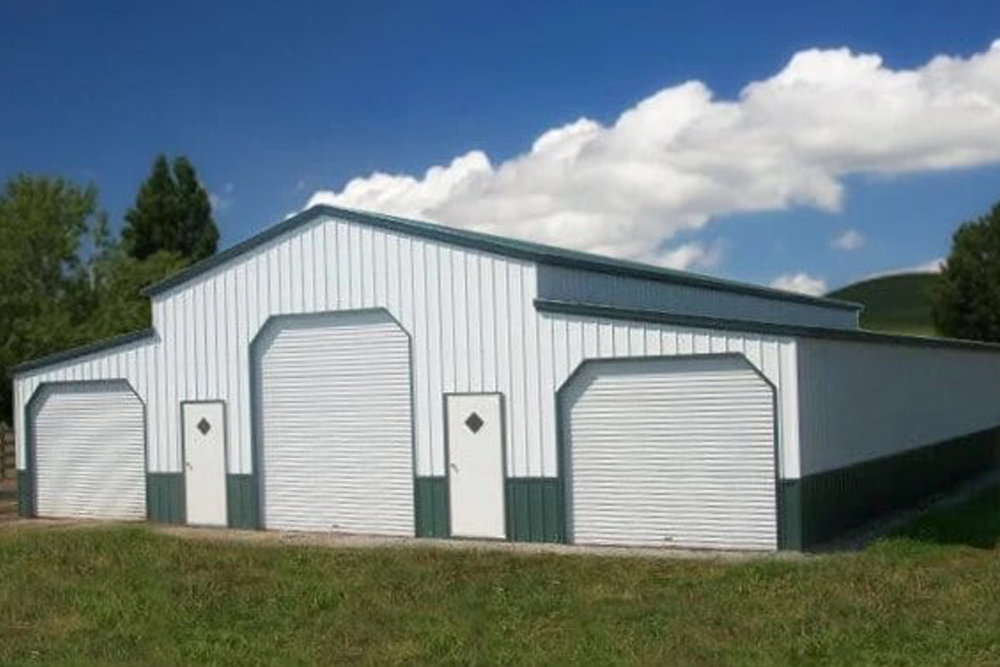
A 12×16 metal shed is a versatile investment that provides ample storage, workspace, or even a dedicated hobby area. Whether you need to house outdoor equipment, a riding mower, or use it as a backyard workshop, this shed size offers plenty of room for various needs. But before starting the project, understanding the cost of building a 12×16 shed is essential for planning your budget and avoiding unexpected expenses.
Short answer: the cost of a 12 x 16 metal shed (192 square feet) depends on the shed kit, the foundation, labor and extras like insulation, doors and windows. We do not list a dollar figure here; ask for a written quote for your zip code so you can compare what each one includes.
The total cost of a shed depends on several factors, including materials, labor, and foundation options. Choosing between DIY builds and prefabricated metal sheds also plays a role in pricing. While constructing the shed from scratch allows for customization, prebuilt options save time and reduce the complexity of the project. By carefully evaluating these aspects, you can determine the best approach to fit your needs.
Choosing Between DIY and Prefabricated Metal Sheds
One of the first decisions to make when pricing a shed is whether to build it yourself or purchase a prefabricated model. A 12×16 metal shed built from scratch gives you full control over design and materials, but it also requires more time, effort, and expertise. On the other hand, prebuilt sheds come ready to assemble, reducing construction time and potential errors.
For DIY builders, material costs include metal siding, framing, roofing, and fasteners. Additional expenses such as insulation, doors, and windows can add to the total price. Specialized tools may also be required, and if you don’t already own them, purchasing or renting equipment increases the budget. Labor costs should be factored in, even for those planning to handle construction personally. The time commitment for a DIY build is significant, and having extra help speeds up the process.
Prefabricated metal sheds are designed for fast assembly, often requiring only a few hours to set up with the right foundation. They come with pre-cut and pre-drilled components, making installation easier. While these sheds may have higher upfront costs, they eliminate the need for specialized tools and reduce the risk of mistakes. Additionally, manufacturers often offer warranties, providing long-term peace of mind.
12 x 16 shed cost breakdown
| Cost item | What drives it | Ways to save |
|---|---|---|
| Shed kit | Steel thickness, roof style, coatings, doors and windows included | Standard door and roof, only the extras you need |
| Foundation | Gravel pad, concrete slab or piers; slope and drainage | A gravel pad is one of the most cost-effective options |
| Labor | DIY or professional installation, and how complex the build is | DIY with two or more helpers, if you have the experience |
| Extras | Insulation, electricity, shelving, loft, security features | Add only what you will use; some can be added later |
| Permits and delivery | Local rules and distance from the manufacturer | Ask your local office and the supplier up front |
DIY versus prefabricated at a glance
| Factor | Build it yourself | Prefabricated metal shed |
|---|---|---|
| Time and effort | Significant; expertise needed | Fast assembly, often a few hours with the right foundation |
| Tools | You may need to buy or rent specialized tools | Pre-cut, pre-drilled parts; fewer tools |
| Upfront cost | Materials plus tools and your time | Can be higher |
| Risk of mistakes | Higher; misalignment or poor anchoring causes long-term issues | Lower |
| Warranty | None unless parts carry one | Manufacturers often offer warranties |
Material Costs and Metal Shed Pricing
The 12×16 metal shed price varies based on the quality of materials used. Metal sheds are generally more affordable than wood or vinyl alternatives, as they require less maintenance and have a longer lifespan. Galvanized steel is a popular choice due to its resistance to rust, pests, and weather-related damage. The thickness of the metal panels affects durability and insulation needs, with thicker panels offering greater protection but at a higher cost.
Roofing materials also impact pricing. Some metal sheds come with corrugated steel roofing, while others offer additional coatings for increased durability. Insulated roofing panels help regulate temperature inside the shed, making it more comfortable for year-round use. While insulation adds to the overall price, it prevents condensation and keeps stored items in better condition.
Doors and windows are another consideration. A standard metal shed typically includes a roll-up or hinged door, but additional entry points or upgraded security features increase costs. Windows improve ventilation and natural light but may require reinforced framing to accommodate them.
Foundation and Site Preparation Costs
A solid foundation is crucial for the longevity and stability of a 12×16 metal shed. The type of foundation you choose significantly impacts the overall cost of building a 12×16 shed. While some opt for placing the shed directly on level ground, this method is not recommended as it leads to moisture buildup, structural shifting, and premature wear. Instead, gravel pads, concrete slabs, and pier foundations provide the stability needed to support the shed for years to come.
A gravel pad is one of the most cost-effective and efficient options. By providing proper drainage, it prevents water from pooling around the shed and causing corrosion. Gravel also helps distribute the weight evenly, reducing the chances of the shed settling unevenly over time. Installing a gravel foundation requires minimal site preparation, making it a practical choice for many homeowners.
Concrete slabs offer a more permanent and stable base. This type of foundation is ideal for sheds used as workshops or for storing heavy equipment. However, pouring a concrete foundation requires more labor and expertise, adding to the final cost. While it increases durability, it’s important to ensure proper leveling and drainage to avoid issues like standing water or structural warping.
For those placing their shed on sloped terrain, a pier foundation may be necessary. This option involves setting concrete piers at key support points, elevating the shed above ground level. While slightly more labor-intensive, this method prevents water damage and allows airflow underneath the shed, reducing the risk of rust or mold.
Foundation options for a 12 x 16 shed
| Foundation | Good for | Notes |
|---|---|---|
| Gravel pad | Many homeowners; drainage | Minimal site preparation; helps keep water from pooling |
| Concrete slab | Workshops and heavy equipment | More labor and expertise; needs proper leveling and drainage |
| Piers | Sloped ground | Elevates the shed and lets air flow underneath |
Placing the shed directly on level ground is not recommended, as it leads to moisture buildup and shifting. See our foundation guide.
Labor and Assembly Considerations
Building a 12×16 metal shed requires time and effort, whether it’s a DIY project or assembled by professionals. The labor costs involved depend on the complexity of the build and whether any additional modifications, such as insulation or shelving, are included.
DIY assembly can save money, but it requires experience with power tools and construction techniques. While metal sheds are designed for easier assembly than wood structures, misalignment or improper anchoring can lead to long-term issues. Having at least two people working on the project ensures that panels are positioned correctly and secured properly.
Hiring a professional installation team speeds up the process and ensures everything is built to last. Professional installers are familiar with structural requirements, anchoring techniques, and local building codes. While this option adds to the 12×16 metal shed price, it eliminates the risk of errors and ensures the shed remains stable through various weather conditions.
Customization and Additional Features
Customizing a metal shed increases functionality but also affects pricing. Adding ventilation, shelving, or a loft creates additional storage space, making the shed more versatile. If using the shed as a workshop, installing electricity allows for proper lighting and power for tools. While these upgrades improve usability, they should be factored into the overall budget.
Security features such as reinforced doors, lockable windows, and motion sensor lighting enhance protection for valuable equipment stored inside. Weatherproofing options, including sealants and insulation, help maintain a consistent interior temperature, preventing condensation from damaging stored items.
At Bull Buildings, we make finding the right metal shed simple by doing the research and price comparison for you. Unlike companies that push a single brand, we work with a wide range of suppliers to ensure you get the best deal without sacrificing quality. Whether you need a fully enclosed metal structure for storage or a durable workspace with added features, we match you with the right manufacturer based on your needs and location.
Frequently asked questions
How much does a 12×16 metal shed cost?
It depends on the kit, foundation, labor, extras and your location. We do not publish a number on this page; ask us for a free quote and we will compare suppliers for your zip code. The breakdown table above shows what goes into the total.
Does a 12×16 shed need a permit?
Possibly not, but it depends on your local rules. A 12 x 16 shed has 192 square feet of floor area, which is under the 200 square foot limit in the model International Residential Code (2021 edition) for one-story detached accessory structures, but many places set a lower limit or add other conditions, and zoning and setback rules still apply. Check with your local building office; see do metal buildings need a permit.
Source: City of Federal Way, quoting IRC Section R105.2. Checked October 2026.
What foundation does a 12×16 metal shed need?
A gravel pad, a concrete slab or piers, depending on how you use the shed and how level the site is. Your manufacturer’s instructions decide what is required for your shed.
Is it cheaper to build it yourself?
Not necessarily. A DIY build can save on labor, but you may need to buy or rent tools, and your time counts. A prefabricated shed can cost more upfront but is faster and easier to assemble, and the manufacturer may offer a warranty.
We shop many manufacturers for you, so you get clear quotes without calling around.
We Shop For YouDesign Your Own