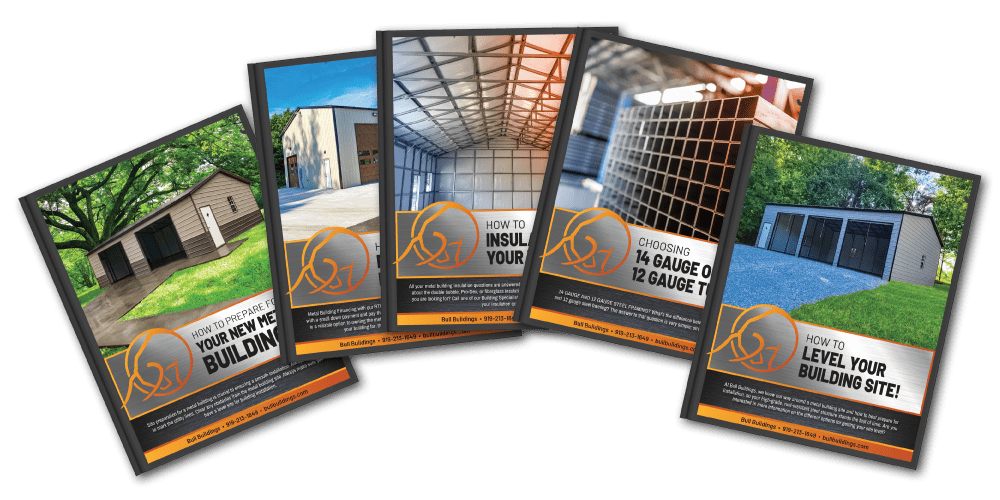



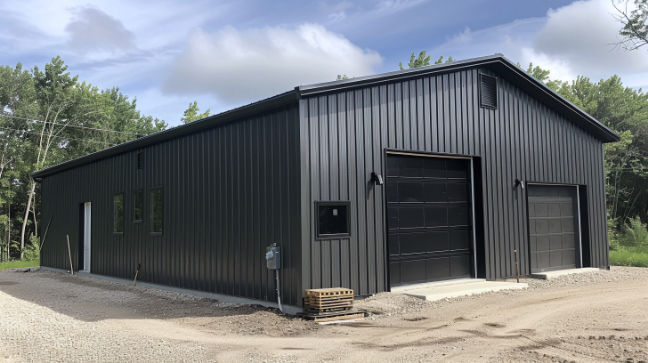
A metal building is only as good as the ground it sits on. Before any steel shows up, the land needs to be ready. That means clearing, leveling, and making sure water drains away from the site. At Bull Buildings, we have a combined experience of over 100 years in management positions in the metal industry.
We broker for more than 26 manufacturers and know what works. Here is what you need to know about metal building site preparation before your project begins.
Why Site Preparation Matters
Metal building site preparation keeps your building stable for decades. Poor site prep leads to settling, cracking slabs, water problems, and doors that do not close right. Fixing a bad site after the building is up costs far more than doing it right the first time. Taking the time now saves money and stress later.
Step 1: Check Your Local Rules
Before you move any dirt, call your local building department. Ask about permits, setbacks, and any site work rules. Some areas require a grading permit or a drainage plan. Others have rules about tree removal or erosion control. A quick call tells you what is needed.
Also call 811, the national dig line. They will mark underground utility lines for free. Hitting a gas line or power cable is dangerous and expensive. This one call protects you and keeps the project safe.
Step 2: Clear the Land
The building site needs to be free of trees, stumps, brush, and large rocks. Clear an area larger than the building footprint. You need room to work around the edges during construction. A good rule is to clear at least 5 to 10 feet beyond the building on all sides.
Remove all organic material from the building pad. Topsoil, roots, and grass will break down over time and leave voids under the slab. Dig down to firm, undisturbed soil. This is the base your building will rest on.
Step 3: Level and Grade the Site
How to prepare land for metal buildings starts with getting the ground flat and stable. The building pad needs to be level from side to side and front to back. Use a transit or laser level to check your grades. Do not eyeball it. A pad that looks flat can be off by several inches over 30 or 40 feet.
Grade the site so water flows away from the building on all sides. A slope of about 5 percent, or 6 inches of drop over 10 feet, works well. Water that pools next to the slab will find its way under it. Over time, this causes the slab to sink or crack.
If your site has a slope, you may need to cut into the high side and build up the low side with compacted fill. Fill must be placed in thin layers and compacted with a roller or plate compactor. Each layer should be no more than 6 inches thick before compaction. Skipping this step leads to settling later.
Step 4: Bring in the Gravel Base
Once the pad is level and stable, add a layer of compacted gravel. A gravel base at least 4 inches deep gives the slab a solid surface to sit on. The gravel also breaks the bond between the soil and the concrete, which helps with drainage and frost protection.
Spread the gravel evenly and compact it well. Walk over it or run a plate compactor across the whole pad. The surface should be firm with no soft spots. After compaction, the gravel should sit slightly above the surrounding ground so water continues to drain away.
Step 5: Plan for Drainage
Water is the enemy of any foundation. Good site prep for metal buildings includes a plan for where water will go. If your land is flat or has poor natural drainage, you may need to add drainage features.
A simple swale is a shallow ditch that channels water around the building. French drains use perforated pipe buried in gravel to carry water away. For sites with heavy clay soil or high water tables, more detailed drainage work may be needed. Talk to a local contractor who knows the soil and weather patterns in your area.
Step 6: Make Sure You Have Access
The site needs to be reachable. Concrete trucks are heavy. A fully loaded truck can weigh 70,000 pounds or more. Your driveway or access road needs to handle that weight without sinking. If the ground is soft, you may need to add gravel or temporary road mats.
Also think about access for the building crew and the steel delivery truck. The building materials will arrive on a flatbed that needs room to turn and unload. Check for low-hanging branches, tight gates, or sharp turns that could block the truck. Clear a path all the way to the site.
Step 7: Check for Underground Issues
Some sites have hidden problems. Old building debris, buried stumps, or unstable fill material can cause trouble under a new slab. If you hit something unexpected while clearing or grading, dig it out and replace it with compacted gravel or clean fill.
For larger projects or sites with questionable soil, a soil test is a good idea. An engineer can test the bearing capacity of the soil and recommend the right foundation design. This adds a small cost up front but prevents big problems later.
How Site Prep Affects Your Building Project
Your building’s size and layout affect how much land you need to clear and grade. A slope may call for a taller foundation wall on one side. A wide building needs a pad graded to tight tolerances so the frame goes together square. When you order custom metal buildings through us, we help you think through these details. Many customers use their metal buildings and workshops on rural lots where site prep is a big part of the project. We are here to help you plan.
Common Site Prep Mistakes
- Not clearing enough space. Clear extra room around the pad so crews can work.
- Poor compaction. Soft fill settles and cracks the slab. Compact every layer.
- Flat grading with no slope. Water must drain away. A flat pad invites problems.
- Skipping the dig line call. Hitting utilities is dangerous. Call 811 before any digging.
- Not planning for truck access. Concrete trucks need a wide, firm path to reach the site.
How We Help You Get the Ground Ready
We help you understand what your site needs before the building arrives. When you request a quote from Bull Buildings, we talk through the site prep side of things. We price shop several options so you can put your budget where it counts. We stand for clarity from the first phone call to the final walkthrough.
FAQs
Do I need to hire a professional for site prep?
It depends on the size of the job. Small sites with flat ground can sometimes be done by the owner with rented equipment. Larger sites, sloped land, or jobs needing significant grading are best left to a pro with the right machines and experience.
How much does site preparation cost?
Costs vary widely based on land conditions. A simple clearing and gravel pad might run a few thousand dollars. A site with trees, stumps, slopes, or drainage work can cost much more. Get quotes from local contractors.
How long does site prep take?
A simple site might take a few days. A complex site with heavy clearing and grading can take a week or more. Weather plays a big role. Rain can delay the work and turn the site into mud.
What type of gravel is best for the base?
Crushed stone with sharp edges, like 57 stone or crusher run, works best. It compacts well and stays in place. Smooth river rock does not compact as well and should be avoided.
Can I prepare the site myself?
If you have experience with equipment and the land is fairly flat, you may be able to handle basic clearing and grading. For anything beyond that, hire a contractor. A bad site prep job leads to foundation problems that are costly to fix. Bull Buildings can help you understand what your specific site needs before you start.